
Introduction
The period between 6 and 12 months is one of the most important stages in your baby's nutritional journey. During these months, babies grow rapidly, become more active, and begin exploring the world around them. While breast milk or formula continues to provide essential nutrition, solid foods gradually become an important part of their diet.
Proper nutrition during this stage supports healthy growth, brain development, strong bones, immunity, and the development of lifelong eating habits. Introducing a variety of nutritious foods also helps babies learn new tastes, textures, and feeding skills.
In this comprehensive guide from DayByDay.in, we'll explore the essential foods babies need between 6 and 12 months and how parents can support healthy growth through balanced nutrition.
Why Nutrition Matters Between 6 and 12 Months
Around six months, babies require more nutrients than breast milk alone can provide.
Good nutrition supports:
- Brain development
- Physical growth
- Strong bones and teeth
- Healthy immune function
- Muscle development
- Learning and exploration
The foods introduced during this stage lay the foundation for future health and eating habits.
Breast Milk and Formula Still Matter
Even after solids are introduced, breast milk or formula remains an important source of nutrition.
During 6–12 Months
- Continue breastfeeding if possible
- Continue formula feeding if used
- Offer solids as complementary foods
Remember:
Food complements milk during the first year—it does not replace it immediately.
Key Nutrients Babies Need
1. Iron
Iron becomes especially important after six months because babies' natural iron stores begin to decrease.
Benefits
- Supports brain development
- Helps produce healthy red blood cells
- Prevents iron deficiency
Iron-Rich Foods
- Iron-fortified baby cereals
- Moong dal
- Lentils
- Beans
- Egg yolk
- Chicken
- Fish (age-appropriate preparation)
Iron-rich foods should be included regularly.
2. Protein
Protein helps build muscles, tissues, and organs.
Protein Sources
- Lentils
- Dal
- Paneer
- Yogurt
- Eggs
- Fish
- Chicken
- Tofu
Protein supports healthy growth throughout infancy.
3. Healthy Fats
Babies need healthy fats for rapid brain development.
Healthy Fat Sources
- Avocado
- Full-fat yogurt
- Nut butters (age-appropriate forms)
- Fish
- Ghee (in moderation)
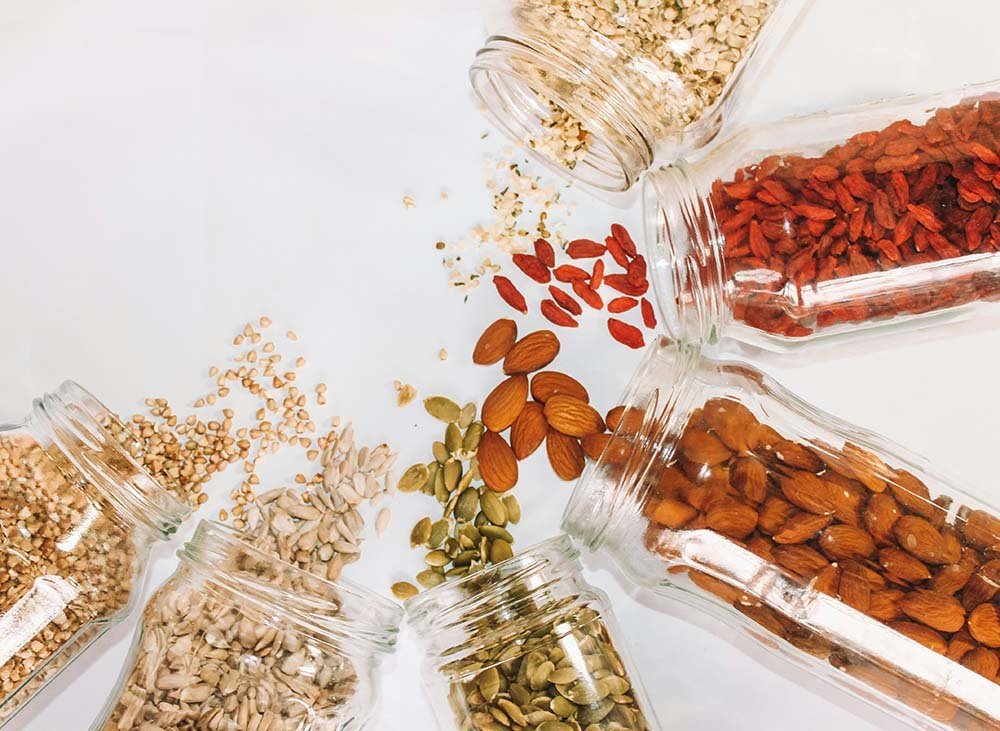
- Seeds when prepared safely
Healthy fats provide concentrated energy for growing babies.
4. Calcium
Calcium supports strong bones and teeth.
Sources
- Yogurt
- Paneer
- Cheese
- Ragi
- Calcium-rich vegetables
Calcium is especially important during periods of rapid growth.
5. Vitamin C
Vitamin C supports immunity and helps absorb iron.
Sources
- Oranges
- Guava
- Papaya
- Mango
- Tomatoes
- Sweet potatoes
Offer fruits and vegetables daily.
Best Foods for Babies 6–12 Months
Fruits
Fruits provide vitamins, minerals, fiber, and natural sweetness.
Good Choices
- Banana
- Apple puree
- Pear
- Papaya
- Mango
- Avocado
- Chikoo
Benefits
- Easy digestion
- Nutrient-rich
- Great for introducing flavors
Vegetables
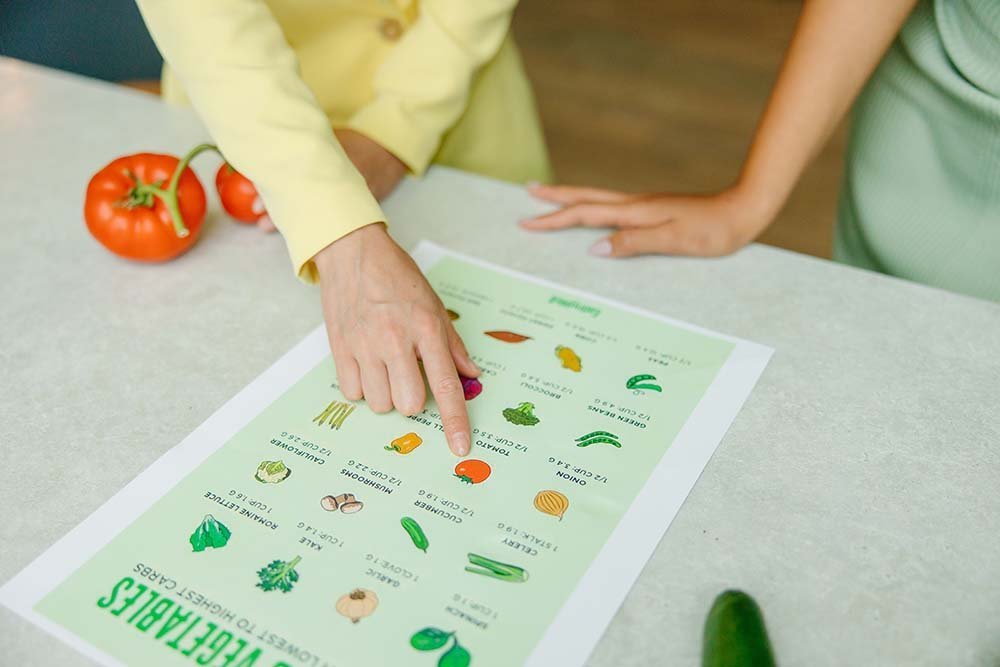
Vegetables introduce essential nutrients and encourage healthy eating habits.
Recommended Vegetables
- Sweet potato
- Pumpkin
- Carrot
- Peas
- Beans
- Beetroot
- Broccoli
Steam or cook vegetables until soft.
Whole Grains
Whole grains provide energy and fiber.
Examples
- Rice
- Oats
- Ragi
- Millet
- Whole wheat
Popular Indian Options
- Ragi porridge
- Rice porridge
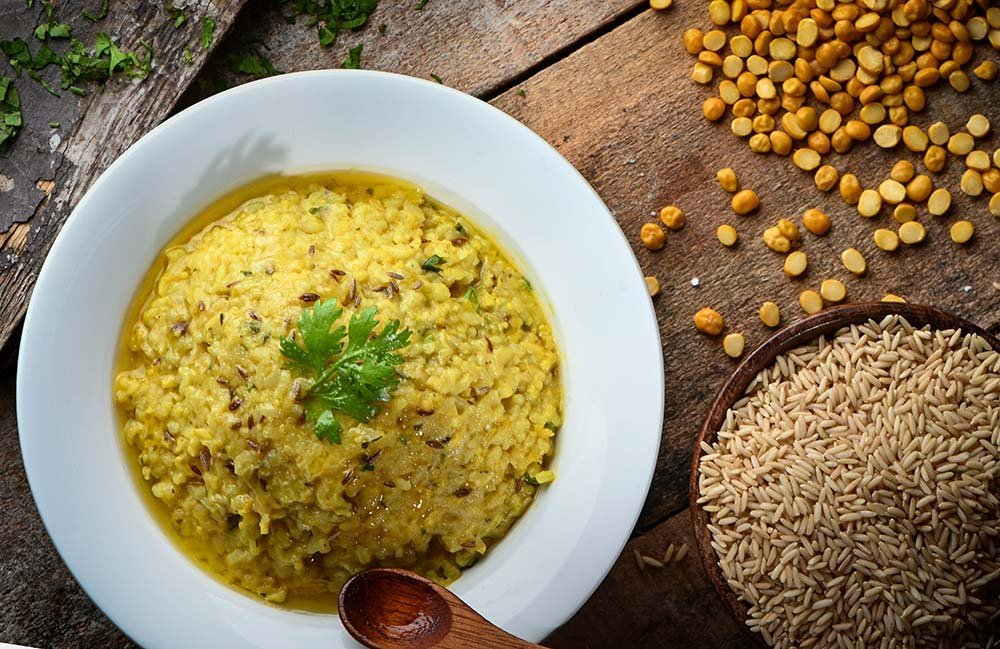
- Soft khichdi
These foods are easy to digest and nutritious.
Lentils and Pulses
Lentils are excellent plant-based protein sources.
Examples
- Moong dal
- Toor dal
- Masoor dal
- Chana dal
Dal preparations are commonly used as first foods in Indian households.
Dairy Products
After six months, certain dairy products may be introduced.
Suitable Options
- Plain yogurt
- Curd
- Paneer
Choose unsweetened varieties whenever possible.
Eggs
Eggs are highly nutritious.
Benefits
- Protein
- Healthy fats
- Choline for brain development
Cook eggs thoroughly before serving.
Fish and Lean Meat
Non-vegetarian families may introduce age-appropriate preparations.
Benefits
- Protein
- Iron
- Omega-3 fatty acids
Ensure foods are soft, boneless, and fully cooked.
Traditional Indian Foods for Babies
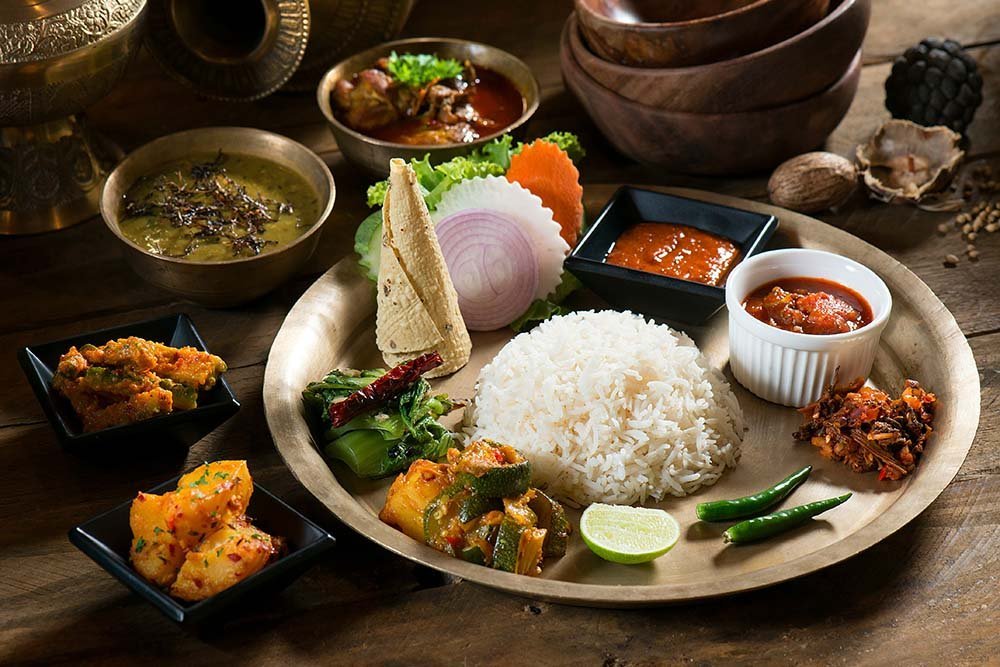
Many traditional Indian foods provide excellent nutrition.
Popular Choices
Moong Dal Khichdi
Provides carbohydrates and protein.
Ragi Porridge
Rich in calcium and iron.
Vegetable Upma
Soft and nutrient-dense.
Dal Rice Mash
Simple and nutritious.
Soft Idli
Easy to chew and digest.
These foods fit naturally into family meals while meeting nutritional needs.
Feeding Schedule for Babies 6–12 Months
6–8 Months
Typical Pattern
- Breast milk or formula
- 1–2 solid meals daily
Texture
- Purees
- Mashed foods
8–10 Months
Typical Pattern
- Breast milk or formula
- 2–3 meals daily
Texture
- Thicker foods
- Soft lumps
10–12 Months
Typical Pattern
- Breast milk or formula
- 3 meals
- 1–2 snacks
Texture
- Finger foods
- Soft family foods
Gradually increase variety and texture.
Introducing Finger Foods
Finger foods help babies develop:
- Fine motor skills
- Self-feeding abilities
- Hand-eye coordination
Safe Finger Foods
- Soft banana slices
- Avocado pieces
- Steamed vegetables
- Soft fruits
- Paneer cubes
Always supervise meals carefully.
Hydration for Babies
Before 6 Months
Breast milk or formula provides sufficient hydration.
After 6 Months
Small amounts of water may be introduced alongside solid foods.
Water should complement, not replace, milk feeds.
Foods to Avoid
Honey
Avoid until after 12 months.
Whole Nuts
Can present a choking hazard.
Excess Salt
Babies do not need added salt.
Sugary Foods
Avoid unnecessary sugar exposure.
Highly Processed Foods
Limit packaged and processed snacks.
Encouraging Healthy Eating Habits
Offer Variety
Expose babies to different flavors and textures.
Be Patient
Some foods may require multiple exposures before acceptance.
Eat Together
Family meals encourage learning through observation.
Avoid Force Feeding
Allow babies to decide how much they eat.
Positive feeding experiences build healthy relationships with food.
Common Feeding Challenges
Food Refusal
Normal during infancy.
Continue offering foods without pressure.
Messy Eating
Mess is part of learning.
Allow exploration.
Variable Appetite
Appetite naturally fluctuates from day to day.
Focus on overall intake rather than individual meals.
Signs Your Baby Is Getting Good Nutrition
Healthy babies typically show:
- Steady weight gain
- Active behavior
- Good energy levels
- Appropriate development
- Regular wet diapers
Growth and developmental progress are important indicators.
Sample One-Day Meal Plan (9–12 Months)
Breakfast
- Ragi porridge
- Mashed banana
Mid-Morning
- Breast milk or formula
Lunch
- Moong dal khichdi
- Soft vegetables
Evening Snack
- Yogurt with fruit puree
Dinner
- Soft rice with dal
- Steamed vegetables
Bedtime
- Breast milk or formula
Adjust portions based on your baby's appetite and developmental stage.
When to Consult a Pediatrician
Speak with your healthcare provider if your baby:
- Refuses most foods
- Has difficulty swallowing
- Shows signs of food allergies
- Is not gaining weight appropriately
- Experiences ongoing feeding difficulties
Early guidance can help address concerns effectively.
Final Thoughts
The period from 6 to 12 months is an exciting time of growth, learning, and nutritional discovery. By offering a variety of nutrient-rich foods, continuing breast milk or formula, introducing new textures gradually, and creating positive mealtime experiences, parents can help support their baby's healthy development.
Remember that every baby develops at their own pace. Focus on providing balanced nutrition, encouraging exploration, and enjoying the journey of introducing your child to the wonderful world of food.
At DayByDay.in, we're committed to helping parents make informed decisions about baby nutrition, child development, and parenting. Explore our feeding guides, milestone trackers, health resources, and expert-backed articles to support your baby's healthy growth every step of the way.
Comments (0)