Introduction
Breastfeeding is one of the most rewarding ways to nourish your baby during the first months of life. Breast milk provides the ideal balance of nutrients, antibodies, and hydration that babies need for healthy growth and development. At the same time, breastfeeding places additional nutritional demands on a mother's body.
New mothers often wonder what foods they should eat, which foods to avoid, and whether certain foods can improve milk supply. While there is no single "perfect" breastfeeding diet, eating a balanced and nutrient-rich diet can help support milk production, recovery after childbirth, and overall well-being.
In this comprehensive guide from DayByDay.in, we'll explore the best foods for breastfeeding mothers, foods to limit, hydration tips, and practical meal planning advice.
Why Nutrition Matters During Breastfeeding
When you breastfeed, your body uses extra energy and nutrients to produce breast milk.
A healthy breastfeeding diet helps:
- Support milk production
- Promote postpartum recovery
- Maintain energy levels
- Support maternal health
- Provide essential nutrients for your baby
Although breast milk remains nutritious even when a mother's diet isn't perfect, good nutrition benefits both mother and child.
How Many Extra Calories Do Breastfeeding Mothers Need?
Breastfeeding mothers generally need approximately 330–500 extra calories per day, depending on:
- Activity level
- Baby's age
- Frequency of breastfeeding
- Individual health needs
Instead of focusing on calorie counting, prioritize nutrient-dense foods.
Essential Nutrients for Breastfeeding Mothers
1. Protein
Protein supports tissue repair and breast milk production.
Best Sources
- Eggs
- Fish
- Chicken
- Lentils
- Beans
- Paneer
- Tofu
- Greek yogurt
- Nuts and seeds
Indian Options
- Moong dal
- Toor dal
- Chana
- Rajma
- Sprouts
2. Calcium
Calcium supports bone health for both mother and baby.
Best Sources
- Milk
- Curd (yogurt)
- Paneer
- Cheese
- Ragi
- Sesame seeds
- Almonds
- Green leafy vegetables
Daily Goal
Approximately 1,000 mg of calcium daily.
3. Iron
Iron helps prevent postpartum fatigue and anemia.
Iron-Rich Foods
- Spinach
- Beetroot
- Lentils
- Chickpeas
- Dates
- Raisins
- Jaggery
- Lean meat
Tip
Combine iron-rich foods with vitamin C-rich foods for better absorption.
4. Healthy Fats
Healthy fats support baby's brain and nervous system development.
Good Sources
- Nuts
- Seeds
- Avocados
- Fatty fish
- Groundnuts
- Flaxseeds
- Walnuts
Omega-3 Sources
- Salmon
- Sardines
- Chia seeds
- Flaxseeds
5. Vitamin D
Vitamin D supports bone development and immunity.
Sources
- Sunlight exposure
- Fortified dairy products
- Eggs
- Fatty fish
Some mothers may require supplementation based on medical advice.
6. Vitamin B12
Especially important for vegetarian mothers.
Sources
- Dairy products
- Eggs
- Fish
- Fortified foods
Consult your healthcare provider if you follow a strict vegan diet.
Best Foods for Breastfeeding Mothers
Whole Grains
Examples:
- Oats
- Brown rice
- Whole wheat
- Millet
- Ragi
Benefits:
- Sustained energy
- Fiber
- Nutrients
Fruits
Examples:
- Bananas
- Apples
- Oranges
- Papaya
- Guava
- Pomegranate
Benefits:
- Vitamins
- Minerals
- Hydration
Aim for 2–3 servings daily.
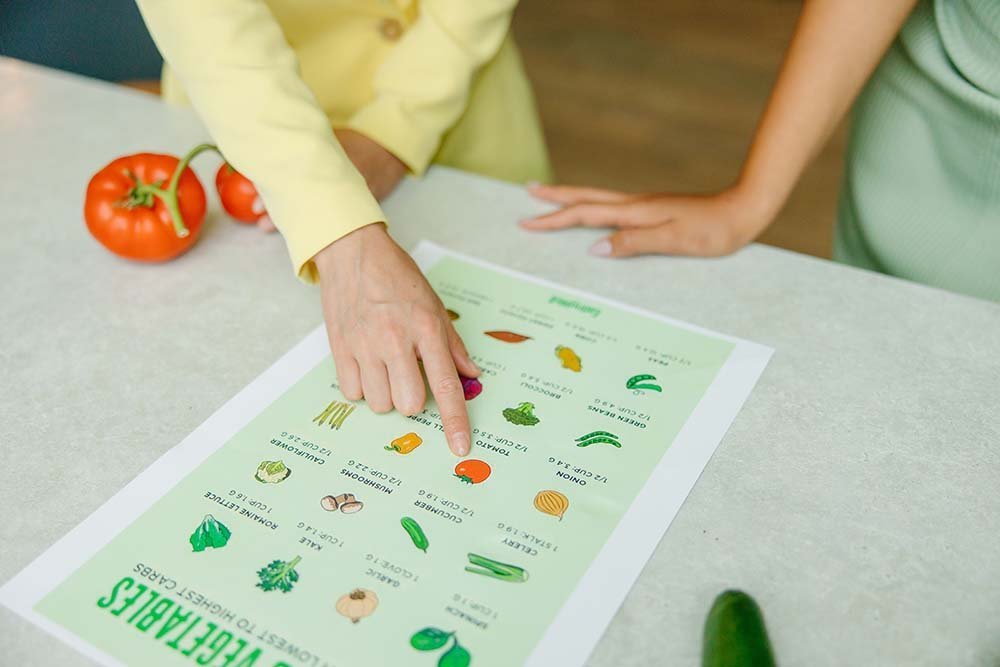
Vegetables
Focus on variety and color.
Excellent Choices
- Spinach
- Carrots
- Pumpkin
- Broccoli
- Sweet potatoes
- Beans
Vegetables provide essential nutrients and fiber.
Dairy Products
Examples:
- Milk
- Curd
- Paneer
Benefits:
- Protein
- Calcium
- Vitamin B12
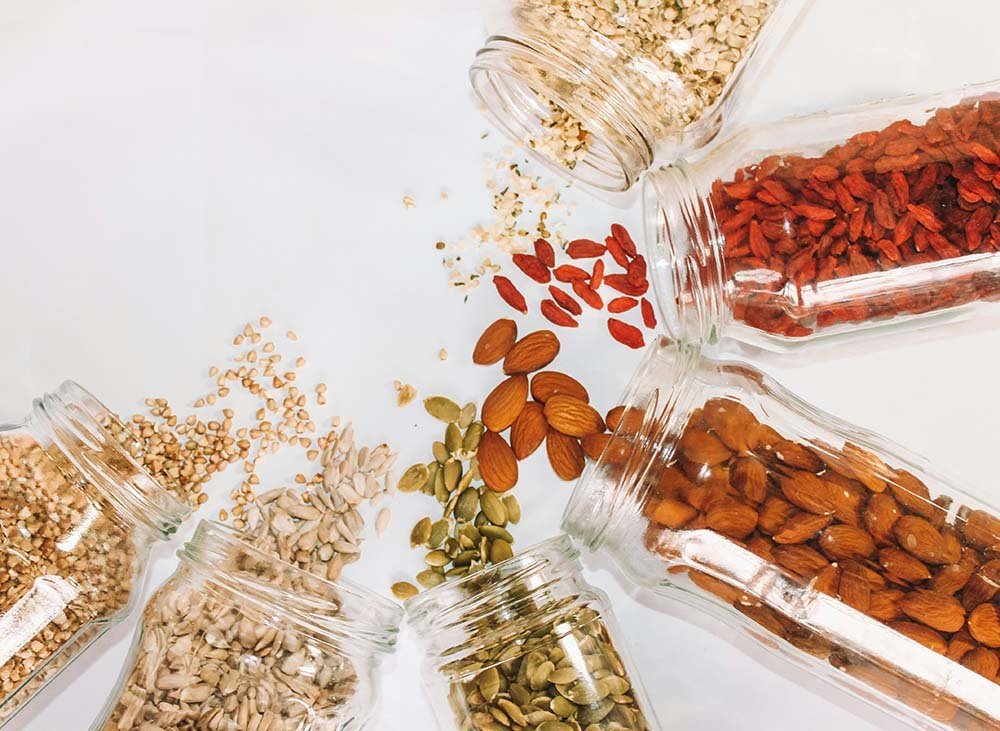
Nuts and Seeds
Examples:
- Almonds
- Walnuts
- Flaxseeds
- Chia seeds
- Sesame seeds
Benefits:
- Healthy fats
- Protein
- Micronutrients
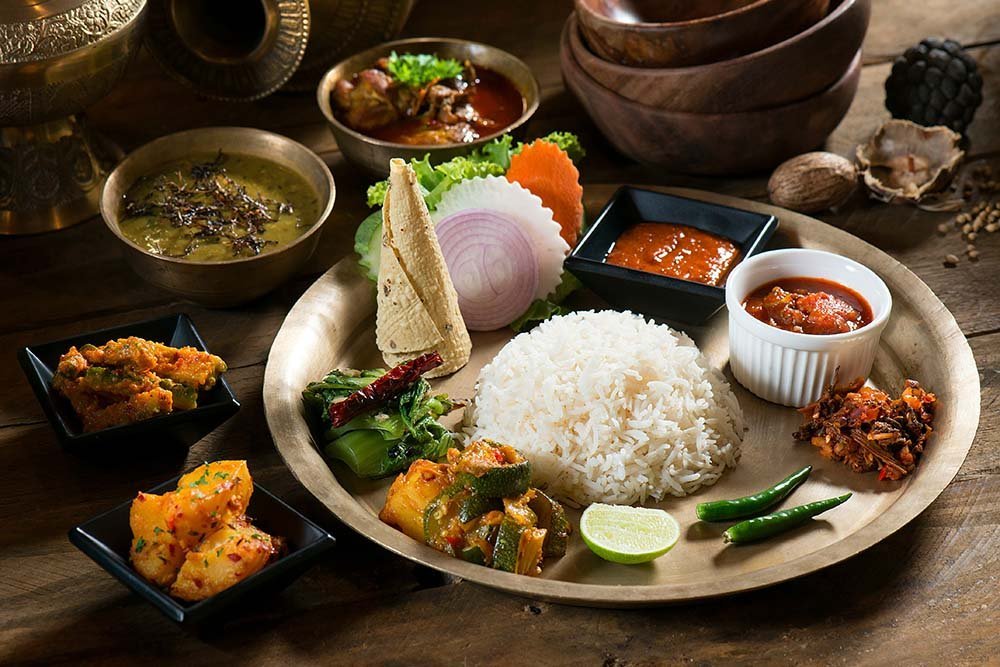
Traditional Indian Foods for New Mothers
Many traditional postpartum foods are nutritious and beneficial.
Common Examples
Gond Laddoo
Provides energy and healthy fats.
Panjiri
Contains nuts, seeds, and whole grains.
Ajwain Water
Traditionally consumed to support digestion.
Methi (Fenugreek)
Often used in postpartum diets.
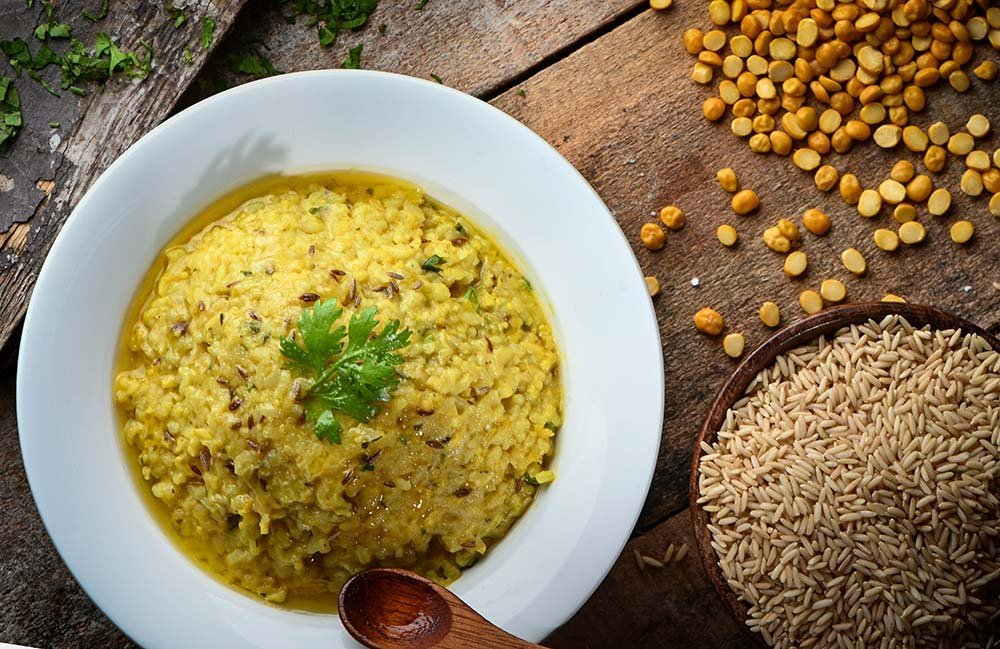
Moong Dal Khichdi
Easy to digest and nutrient-rich.
These foods can be part of a balanced breastfeeding diet.
Hydration During Breastfeeding
Breastfeeding mothers need adequate fluids.
How Much Water Should You Drink?
There is no exact requirement for everyone, but most mothers should:
- Drink when thirsty
- Keep water nearby during feeds
- Monitor urine color as a hydration indicator
Good Fluid Choices
- Water
- Coconut water
- Milk
- Soups
- Fresh fruit-infused water
Proper hydration supports overall health and comfort.
Sample Breastfeeding Diet Plan
Early Morning
- Warm water
- Soaked almonds and walnuts
Breakfast
- Vegetable oats
- Ragi porridge
- Egg or paneer
- Fruit
Mid-Morning Snack
- Coconut water
- Fruit bowl
Lunch
- Chapati or brown rice
- Dal
- Vegetable curry
- Salad
- Curd
Evening Snack
- Roasted chana
- Nuts
- Milk or herbal tea
Dinner
- Khichdi or chapati
- Vegetable curry
- Protein source
Bedtime
- Warm milk
This sample plan can be adjusted based on individual needs and preferences.
Foods That May Help Support Milk Production
Many foods are traditionally believed to support lactation.
Common Examples
- Oats
- Fenugreek
- Fennel seeds
- Garlic
- Sesame seeds
- Moringa leaves
While evidence varies, these foods can be part of a healthy diet.
Remember that frequent breastfeeding and effective milk removal are the primary factors influencing milk supply.
Foods to Limit During Breastfeeding
Excessive Caffeine
Small amounts are generally acceptable.
Sources
- Coffee
- Tea
- Energy drinks
Excessive caffeine may affect some babies.
Highly Processed Foods
Examples:
- Packaged snacks
- Sugary beverages
- Fast food
These foods often provide calories without essential nutrients.
Excess Added Sugar
Limiting sugary foods supports overall health.
Excessively Fatty Foods
Occasional treats are fine, but balance is important.
Common Breastfeeding Diet Myths
Myth: Mothers Must Eat for Two
Fact
Breastfeeding requires additional nutrition, not double portions.
Myth: Certain Foods Always Cause Colic
Fact
Most babies tolerate a wide variety of foods in their mother's diet.
Myth: Spicy Foods Must Be Avoided
Fact
Many babies tolerate spices well. Observe your baby's individual response.
Myth: Drinking More Milk Automatically Increases Milk Supply
Fact
Hydration is important, but milk production depends primarily on breastfeeding frequency and effectiveness.
Signs You Are Eating Well While Breastfeeding
You may notice:
- Stable energy levels
- Good recovery
- Adequate milk production
- Healthy appetite
- Overall well-being
Balanced nutrition supports both physical and emotional health.
When to Consult a Healthcare Professional
Speak with your doctor or dietitian if you:
- Follow a restrictive diet
- Experience severe fatigue
- Have nutritional deficiencies
- Are concerned about milk supply
- Have significant food allergies
Professional guidance can help tailor a plan to your needs.
Practical Nutrition Tips for Busy New Moms
- Keep healthy snacks accessible
- Prepare meals in advance
- Accept help from family
- Stay hydrated throughout the day
- Focus on simple, nutritious meals
- Don't aim for perfection
Small, consistent healthy choices can make a big difference.
Final Thoughts
Breastfeeding places unique nutritional demands on a mother's body, making a balanced and nourishing diet especially important. Focus on whole foods, adequate protein, healthy fats, fruits, vegetables, whole grains, and proper hydration to support both your health and your baby's growth.
Remember that no diet needs to be perfect. Consistency, variety, and listening to your body's needs are more important than following strict food rules. If you have concerns about your nutrition or milk supply, seek guidance from your healthcare provider.
At DayByDay.in, we're dedicated to supporting mothers through every stage of pregnancy, postpartum recovery, breastfeeding, and parenting. Explore our nutrition guides, baby care resources, breastfeeding tips, and parenting articles to help your family thrive.

Comments (0)