Introduction
Introducing solid foods is an exciting milestone in your baby's first year. In India, weaning has long been supported by a rich tradition of nutritious homemade foods that are simple, wholesome, and well-suited to a baby's developing digestive system. From soft rice porridge to nourishing dal-based preparations, traditional Indian weaning foods provide essential nutrients while helping babies explore new tastes and textures.
Weaning does not mean stopping breastfeeding or formula feeding. Instead, it involves gradually introducing complementary foods alongside breast milk or formula to meet your baby's growing nutritional needs.
In this guide from DayByDay.in, we'll explore the best traditional Indian weaning foods, when to introduce them, and how to make the transition to solids safe and enjoyable.
What Is Weaning?
Weaning is the process of introducing solid and semi-solid foods while continuing breast milk or formula.
Most babies are ready to begin complementary feeding around 6 months of age, when they need additional nutrients such as iron, zinc, and protein to support growth and development.
Signs Your Baby Is Ready for Weaning
Before introducing solids, look for these signs:
Good Head Control
Your baby can hold their head steady.
Sitting with Support
Your baby can sit upright with minimal assistance.
Interest in Food
Your baby watches others eat and reaches for food.
Reduced Tongue-Thrust Reflex
Food is no longer automatically pushed out of the mouth.
Ability to Open Mouth for Food
Your baby willingly accepts food from a spoon or hand.
Why Traditional Indian Weaning Foods Are Beneficial
Traditional Indian baby foods often offer:
- Easy digestion
- Balanced nutrition
- Familiar ingredients
- Minimal processing
- Cost-effectiveness
- Cultural relevance
Many recipes have been passed down through generations and continue to be excellent choices for growing babies.
1. Rice Porridge (Rice Kanji)
Rice porridge is one of the most common first foods across India.
Benefits
- Easy to digest
- Gentle on the stomach
- Mild flavor
- Good source of carbohydrates
Preparation
Cook rice thoroughly and blend or mash with water, breast milk, or formula until smooth.
Rice porridge is often one of the first complementary foods offered to babies.
2. Moong Dal Porridge
Moong dal is highly nutritious and easy to digest.
Benefits
- Rich in protein
- Contains iron
- Supports growth
Preparation
Cook yellow moong dal until soft and blend into a smooth consistency.
Many parents combine moong dal with rice for added nutrition.
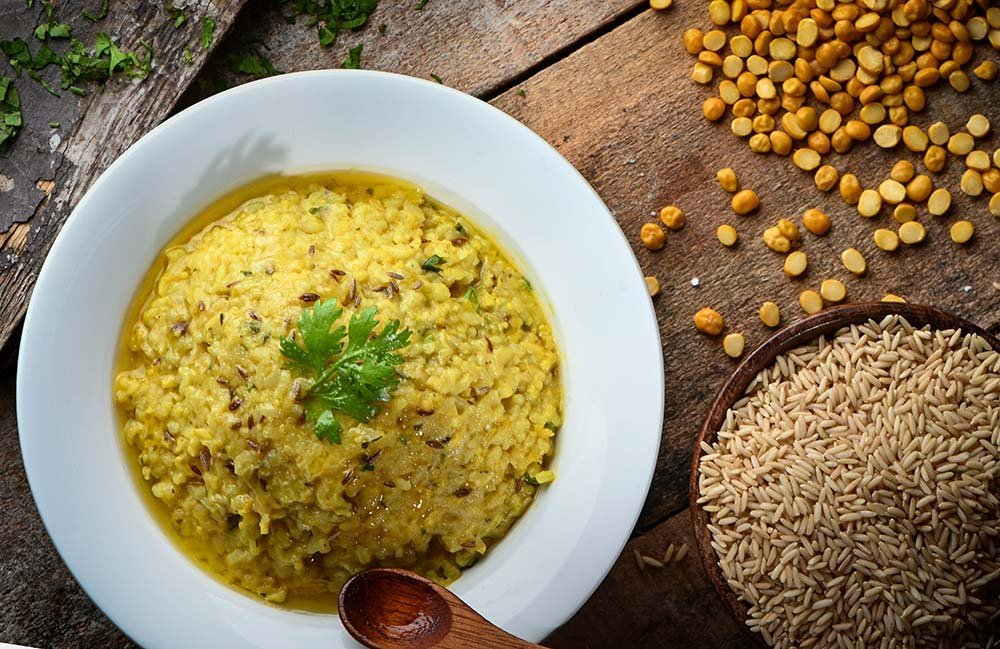
3. Moong Dal Khichdi
Khichdi is a classic Indian baby food.
Benefits
- Balanced combination of carbohydrates and protein
- Easy digestion
- Versatile and nutritious
Preparation
Cook rice and moong dal together until very soft and mash thoroughly.
As your baby grows, vegetables can be added.
4. Ragi Porridge
Ragi (finger millet) is widely recommended as a weaning food.
Benefits
- Rich in calcium
- Contains iron
- Provides fiber
- Supports bone development
Preparation
Cook ragi flour with water until smooth and soft.
Avoid adding sugar during infancy.
5. Mashed Banana
Bananas are one of the easiest first foods for babies.
Benefits
- Naturally sweet
- Easy to mash
- Rich in potassium
- Provides energy
Preparation
Mash a ripe banana until smooth.
No cooking is required.
6. Apple Puree
Apples are a nutritious fruit option.
Benefits
- Vitamins
- Fiber
- Mild taste
Preparation
Steam or boil apple pieces and blend until smooth.
As babies become comfortable with textures, less blending may be needed.
7. Pear Puree
Pears are gentle and easy to digest.
Benefits
- Fiber
- Hydration
- Vitamins
Cook if needed and mash into a smooth consistency.
8. Sweet Potato Mash
Sweet potatoes are nutrient-dense and naturally appealing to babies.
Benefits
- Vitamin A
- Fiber
- Natural sweetness
Preparation
Steam until soft and mash thoroughly.
Sweet potatoes are often well accepted by babies.
9. Pumpkin Puree
Pumpkin is another excellent vegetable for weaning.
Benefits
- Vitamin A
- Antioxidants
- Easy digestion
Cook until soft and blend smoothly.
10. Carrot Puree
Carrots are rich in important nutrients.
Benefits
- Beta-carotene
- Fiber
- Vitamins
Steam or boil until soft before mashing.
11. Curd (Yogurt)
Plain homemade curd may be introduced after six months, following pediatric guidance.
Benefits
- Calcium
- Protein
- Probiotics
Choose unsweetened curd without added sugar.
12. Soft Idli
Idli is a popular South Indian weaning food.
Benefits
- Soft texture
- Easy digestion
- Fermented food benefits
Mash with water, dal, or curd for younger babies.
13. Vegetable Mash
A combination of vegetables introduces varied nutrients and flavors.
Good Choices
- Carrot
- Pumpkin
- Potato
- Sweet potato
- Peas
Vegetables can be steamed and mashed together.
14. Oats Porridge
Oats have become increasingly popular as a baby food.
Benefits
- Fiber
- Energy
- Easy preparation
Cook thoroughly and blend to the desired consistency.
15. Dal Rice Mash
A staple weaning food in many Indian households.
Benefits
- Protein
- Carbohydrates
- Easy digestion
Cook rice and dal until very soft and mash well.
Month-by-Month Weaning Guide
6–7 Months
Suitable Foods
- Rice porridge
- Banana mash
- Apple puree
- Moong dal puree
- Ragi porridge
Texture
Smooth and thin.
7–8 Months
Suitable Foods
- Khichdi
- Vegetable purees
- Yogurt
- Oats porridge
Texture
Thicker and slightly mashed.
8–10 Months
Suitable Foods
- Soft idli
- Dal rice mash
- Soft fruits
- Vegetable combinations
Texture
Soft lumps and mashed foods.
10–12 Months
Suitable Foods
- Finger foods
- Soft family meals
- Chapati soaked in dal
- Small pieces of soft fruits
Texture
Increasingly varied and textured.
Foods to Avoid During Weaning
Honey
Avoid until after 12 months.
Added Salt
Babies do not require added salt.
Added Sugar
Avoid unnecessary sugar during infancy.
Whole Nuts
Can present a choking hazard.
Hard Foods
Examples:
- Popcorn
- Hard candies
- Whole grapes
Always prioritize safety.
Weaning Safety Tips
Always Supervise Feeding
Never leave babies unattended while eating.
Seat Baby Upright
Proper positioning reduces choking risk.
Introduce New Foods Gradually
Offer one new food at a time.
Watch for Allergies
Monitor for rashes, vomiting, swelling, or unusual reactions.
Maintain Hygiene
Prepare and store food safely.
Common Weaning Challenges
Food Refusal
Babies may need multiple exposures before accepting new foods.
Messy Eating
Mess is part of learning and exploration.
Gagging
Mild gagging can occur as babies learn new textures.
Changing Appetite
Daily appetite variations are normal.
Patience and consistency are key.
Tips for Successful Weaning
- Introduce a variety of foods
- Allow babies to explore textures
- Avoid force-feeding
- Eat together as a family
- Be patient with new foods
- Focus on healthy habits rather than quantity
Creating positive mealtime experiences encourages lifelong healthy eating.
Sample One-Day Weaning Menu (8–10 Months)
Breakfast
Ragi porridge
Mid-Morning
Mashed banana
Lunch
Moong dal khichdi
Evening Snack
Apple puree
Dinner
Vegetable mash with rice
Continue breast milk or formula feeds throughout the day.
When to Consult Your Pediatrician
Seek medical advice if your baby:
- Refuses solids consistently
- Has difficulty swallowing
- Shows signs of food allergies
- Is not gaining weight appropriately
- Experiences ongoing feeding problems
Early guidance can help address concerns quickly.
Final Thoughts
Traditional Indian weaning foods provide a wonderful foundation for healthy eating and nutrition during infancy. Foods such as rice porridge, moong dal, khichdi, ragi, fruits, vegetables, and yogurt offer essential nutrients while introducing babies to the rich flavors of Indian cuisine.
Remember that every baby develops at their own pace. Focus on offering nutritious foods, introducing variety gradually, and creating positive mealtime experiences. With patience and consistency, weaning can become an enjoyable journey for both parents and babies.
At DayByDay.in, we're committed to helping parents navigate every stage of their child's growth with expert-backed nutrition guides, baby feeding resources, parenting advice, milestone trackers, and child development content.

Comments (0)