Introduction
One of the most exciting parts of parenthood is watching your baby achieve new milestones. From that first heart-melting smile to sitting independently, crawling across the room, and eventually taking those first wobbly steps, each achievement marks an important stage in your child's development.
Many parents wonder, "When should my baby start smiling?" or "Is it normal that my baby isn't crawling yet?" While developmental milestones provide useful guidelines, it's important to remember that every baby grows and develops at their own pace.
In this guide from DayByDay.in, we'll explore when babies typically start smiling, sitting, crawling, and walking, what these milestones mean, and how you can support your child's development along the way.
Understanding Developmental Milestones
Developmental milestones are skills that most babies achieve within a certain age range.
These milestones include:
- Physical development
- Motor skills
- Cognitive growth
- Social and emotional development
- Language development
Milestones help parents and healthcare providers monitor healthy growth, but slight variations are completely normal.
When Do Babies Start Smiling?
First Reflex Smiles
Age: Birth to 6 Weeks
Newborn babies often smile during sleep or in response to internal sensations. These are called reflex smiles and are not yet social interactions.
What You'll Notice
- Brief smiles while sleeping
- Random facial expressions
- Smiles not directed at people
These early smiles are a normal part of development.
First Social Smile
Age: Around 6–8 Weeks
The social smile is one of the most exciting early milestones.
Signs of a Social Smile
- Smiling in response to your face
- Smiling during interaction
- Smiling when hearing familiar voices
Why It Matters
A social smile shows that your baby is beginning to recognize and respond to people.
How to Encourage Smiling
- Make eye contact
- Smile frequently
- Talk and sing to your baby
- Engage in face-to-face interaction
When Do Babies Start Sitting?
Sitting is an important gross motor milestone that allows babies to explore their environment more independently.
Sitting with Support
Age: Around 4–6 Months
Most babies begin sitting with assistance during this stage.
Signs
- Improved head control
- Better balance
- Ability to sit with pillows or caregiver support
Sitting Independently
Age: Around 6–8 Months
Many babies can sit without support by this age.
Signs
- Sits steadily without tipping over
- Uses hands for play while sitting
- Reaches for nearby toys
Why Sitting Matters
Sitting helps develop:
- Core strength
- Balance
- Coordination
- Hand-eye coordination
How to Encourage Sitting
- Provide supervised floor time
- Offer toys while sitting
- Allow plenty of tummy time beforehand
When Do Babies Start Crawling?
Crawling gives babies newfound freedom and independence.
Early Movement Attempts
Age: Around 6–8 Months
Before crawling, babies may:
- Scoot backward
- Roll across the floor
- Pivot on their tummy
- Push themselves forward
Crawling
Age: Around 7–10 Months
Many babies begin crawling during this period.
Common Crawling Styles
- Traditional hands-and-knees crawling
- Army crawling
- Bottom scooting
- Bear crawling
All of these can be normal variations.
Benefits of Crawling
Crawling helps develop:
- Muscle strength
- Coordination
- Balance
- Spatial awareness
How to Encourage Crawling
- Provide safe floor space
- Place toys slightly out of reach
- Increase tummy time
- Minimize prolonged time in restrictive equipment
What If My Baby Doesn't Crawl?
Some babies skip crawling entirely and move directly to standing and walking.
As long as your baby is developing other motor skills appropriately, skipping crawling is not necessarily a concern.
When Do Babies Start Walking?
Walking is one of the most anticipated developmental milestones.
Pulling to Stand
Age: Around 8–10 Months
Many babies begin pulling themselves up using furniture.
Signs
- Standing while holding onto support
- Bouncing on legs
- Improved balance
Cruising
Age: Around 9–12 Months
Cruising involves walking sideways while holding furniture.
Benefits
- Builds leg strength
- Improves coordination
- Develops confidence
First Independent Steps
Age: Around 9–15 Months
Many babies take their first independent steps sometime within this range.
Signs
- Standing briefly without support
- Taking one or two steps independently
- Walking short distances
Walking Independently
Age: Around 12–18 Months
Most toddlers become confident walkers by 18 months.
What You'll Notice
- Improved balance
- Faster movement
- Greater independence
How to Encourage Walking
- Allow barefoot practice indoors
- Create safe walking spaces
- Offer encouragement
- Avoid forcing milestones
Milestone Timeline at a Glance
| MilestoneTypical Age Range | |
| Reflex Smile | Birth–6 Weeks |
| Social Smile | 6–8 Weeks |
| Sitting with Support | 4–6 Months |
| Sitting Independently | 6–8 Months |
| Crawling Begins | 7–10 Months |
| Pulling to Stand | 8–10 Months |
| Cruising | 9–12 Months |
| First Steps | 9–15 Months |
| Independent Walking | 12–18 Months |
Remember that these are averages rather than strict deadlines.
Supporting Healthy Development
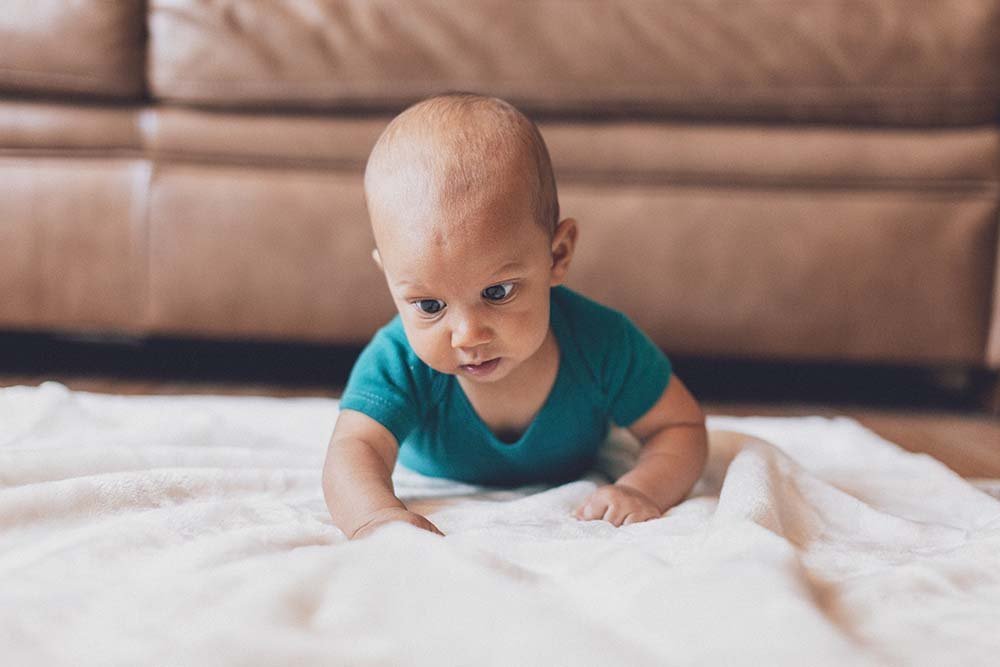
Encourage Tummy Time
Tummy time strengthens:
- Neck muscles
- Shoulders
- Core muscles
These muscles are essential for sitting, crawling, and walking.
Provide Safe Exploration Opportunities
Babies learn through movement and discovery.
Allow plenty of:
- Floor play
- Exploration
- Age-appropriate challenges
Limit Screen Time
The best learning occurs through real-world interaction and play.
Focus on:
- Human interaction
- Toys
- Books
- Physical exploration
Read and Talk Daily
Language development supports overall cognitive growth.
Simple conversations help babies learn:
- Sounds
- Words
- Social communication
When Should Parents Be Concerned?
Every baby develops differently, but speak with your pediatrician if your child:
By 3 Months
- Rarely smiles
- Doesn't respond to faces
By 9 Months
- Cannot sit independently
By 12 Months
- Shows little interest in movement
- Cannot bear weight on legs
By 18 Months
- Is not walking independently
At Any Age
- Loses previously acquired skills
Early evaluation can provide reassurance or identify areas where additional support may help.
Remember: Every Baby Develops at Their Own Pace
It's natural to compare your baby with friends' children or online milestone charts, but development is highly individual.
Some babies:
- Smile early
- Sit later
- Skip crawling
- Walk earlier
What matters most is consistent progress over time rather than hitting every milestone on an exact date.
Final Thoughts
Smiling, sitting, crawling, and walking are some of the most memorable milestones of your baby's first years. While most babies follow a general developmental timeline, there is a wide range of normal variation. Supporting your child through play, interaction, tummy time, and encouragement helps create a strong foundation for healthy growth.
Celebrate each milestone as it comes and remember that every baby's journey is unique. The goal isn't speed—it's healthy, steady development.
At DayByDay.in, we're committed to helping parents understand and support every stage of their child's growth. Explore our baby milestone trackers, development guides, parenting tips, and expert resources to confidently navigate your baby's first years.

Comments (0)