Introduction
Your baby's brain grows more rapidly during the first few years of life than at any other time. From the moment your child is born, billions of neural connections begin forming as they experience the world through touch, sight, sound, movement, and human interaction.
While genetics play an important role in brain development, everyday experiences have a significant impact on how your baby's brain grows and learns. Simple activities such as talking, reading, cuddling, singing, and playing can help build the foundation for language, learning, emotional well-being, and future success.
In this guide from DayByDay.in, we'll explore how baby brain development works and the practical ways parents can support healthy cognitive growth from birth.
Understanding Baby Brain Development
At birth, a baby's brain contains billions of neurons (brain cells). During the first years of life, these neurons form trillions of connections known as synapses.
These connections help your baby:
- Learn language
- Recognize faces
- Develop memory
- Understand emotions
- Solve problems
- Control movement
- Build social skills
The more positive and stimulating experiences babies have, the stronger these neural pathways become.
Why the First Three Years Matter
Experts often refer to the first three years as a critical period of brain development.
During this time:
- The brain develops rapidly
- Learning happens through everyday experiences
- Emotional bonds shape brain architecture
- Language skills begin forming
- Cognitive foundations are established
This doesn't mean learning stops after age three, but early experiences provide a powerful foundation.
1. Talk to Your Baby Frequently
One of the most effective ways to support brain development is simply talking to your baby.
Why It Helps
Talking exposes babies to:
- Language patterns
- Vocabulary
- Social communication
- Emotional expression
Even newborns benefit from hearing voices.
Simple Ideas
- Describe daily activities
- Talk during diaper changes
- Explain what you're doing
- Respond to coos and babbles
The more words your baby hears, the more opportunities their brain has to build language connections.
2. Read Every Day
Reading is one of the best activities for developing young brains.
Benefits of Reading
- Supports language development
- Builds attention skills
- Strengthens memory
- Encourages imagination
- Enhances parent-child bonding
Tips
- Start reading from birth
- Use colorful board books
- Read with expression
- Point to pictures
- Let babies touch books
Consistency matters more than duration.
3. Respond to Your Baby's Needs
Responsive caregiving plays a major role in brain development.
What Responsive Parenting Means
- Comforting when your baby cries
- Making eye contact
- Responding to sounds
- Engaging during play
Why It Matters
When babies feel safe and secure, their brains can focus on learning and exploration.
Secure attachment supports:
- Emotional regulation
- Social development
- Cognitive growth
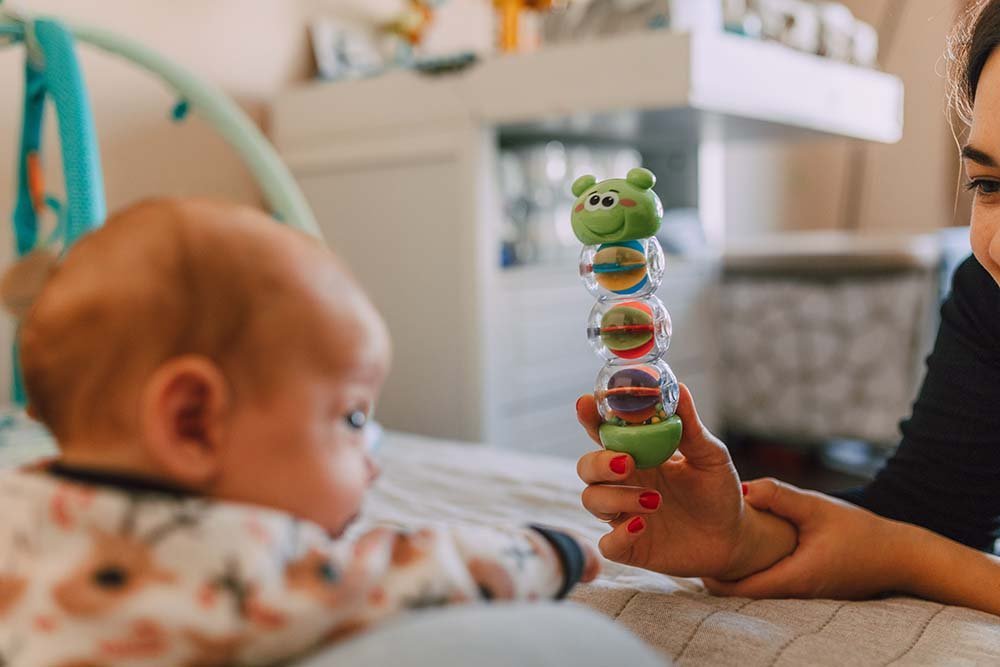
4. Encourage Tummy Time
Tummy time supports both physical and brain development.
Benefits
- Strengthens muscles
- Improves coordination
- Encourages exploration
- Supports sensory development
Tips
- Start with short sessions
- Always supervise
- Make it fun with toys and interaction
Tummy time helps prepare babies for rolling, sitting, crawling, and walking.
5. Provide Sensory Experiences
Babies learn through their senses.
Healthy Sensory Activities
- Feeling different textures
- Listening to music
- Looking at colorful objects
- Exploring safe toys
- Spending time outdoors
Why It Helps
Sensory experiences strengthen neural connections and support cognitive development.
6. Sing Songs and Nursery Rhymes
Music is a powerful tool for learning.
Benefits
- Supports memory
- Builds language skills
- Encourages listening
- Creates emotional connections
Activities
- Sing during routines
- Use action songs
- Repeat favorite melodies
Babies often recognize familiar songs long before they understand words.
7. Encourage Play
Play is how babies learn best.
Types of Play That Support Brain Development
Independent Play
Encourages curiosity and problem-solving.
Interactive Play
Supports communication and social skills.
Sensory Play
Stimulates learning through touch, sound, and movement.
Pretend Play
Begins later but helps creativity and imagination.
8. Make Eye Contact
Eye contact helps babies learn social communication.
Benefits
- Builds emotional bonds
- Supports language development
- Improves attention skills
During feeding, talking, and play, make eye contact whenever possible.
9. Limit Screen Exposure
Young babies learn best through real-world experiences.
Why Human Interaction Matters More
Babies need:
- Facial expressions
- Physical interaction
- Conversation
- Exploration
These experiences stimulate brain growth far more effectively than passive screen viewing.
10. Support Healthy Sleep
Sleep is essential for brain development.
During Sleep, the Brain:
- Processes information
- Strengthens memories
- Supports growth
- Organizes learning
Healthy Sleep Habits
- Consistent bedtime routines
- Comfortable sleep environment
- Age-appropriate sleep schedules
Well-rested babies are often better able to learn and engage.
11. Provide Proper Nutrition
Nutrition directly affects brain growth.
Key Nutrients for Brain Development
Healthy Fats
Support neural connections and brain structure.
Iron
Essential for learning and cognitive development.
Protein
Supports overall growth.
Zinc
Important for brain function.
DHA and Omega-3 Fatty Acids
Support brain and eye development.
Breast milk, formula, and later complementary foods help provide these nutrients.
12. Encourage Exploration
Babies learn through discovery.
Safe Exploration Includes
- Reaching for toys
- Crawling
- Touching safe objects
- Investigating surroundings
Every new experience helps build neural pathways.
13. Foster Emotional Security
A loving environment supports healthy brain development.
Emotional Security Helps Babies
- Manage stress
- Build confidence
- Develop resilience
- Form healthy relationships
Simple acts such as cuddling, comforting, and spending quality time together make a significant difference.
Developmental Activities by Age
0–3 Months
- Talking
- Singing
- Tummy time
- Eye contact
4–6 Months
- Reading books
- Exploring toys
- Interactive games
7–9 Months
- Peek-a-boo
- Crawling opportunities
- Naming objects
10–12 Months
- Simple problem-solving games
- Stacking toys
- Interactive reading
Signs of Healthy Brain Development
While every baby develops differently, positive signs often include:
- Responding to voices
- Making eye contact
- Smiling socially
- Exploring surroundings
- Babbling
- Recognizing familiar people
- Showing curiosity
These behaviors indicate active learning and brain growth.
When to Talk to Your Pediatrician
Consult your healthcare provider if your baby:
- Rarely makes eye contact
- Doesn't respond to sounds
- Shows little interest in surroundings
- Stops using previously learned skills
- Misses multiple developmental milestones
Early support can make a meaningful difference when concerns arise.
Remember: Everyday Moments Matter Most
Many parents worry about buying expensive educational toys or special learning programs. The truth is that the most powerful tools for brain development are often free.
Your baby benefits most from:
- Talking
- Reading
- Playing
- Singing
- Cuddling
- Exploring together
These simple daily interactions build the neural connections that support lifelong learning.
Final Thoughts
Your baby's brain is developing at an extraordinary rate from the very first day of life. Every conversation, cuddle, song, story, and play session helps strengthen important neural pathways that support learning, language, memory, and emotional well-being.
The good news is that supporting brain development doesn't require complicated strategies. Consistent love, responsive caregiving, healthy nutrition, quality sleep, and meaningful interaction provide exactly what growing brains need.
At DayByDay.in, we're dedicated to helping parents support their child's development with expert-backed parenting resources, baby milestone guides, nutrition advice, and practical tips for every stage of early childhood. Explore our growing collection of articles to help your little one thrive from birth and beyond.




Comments (0)