Introduction
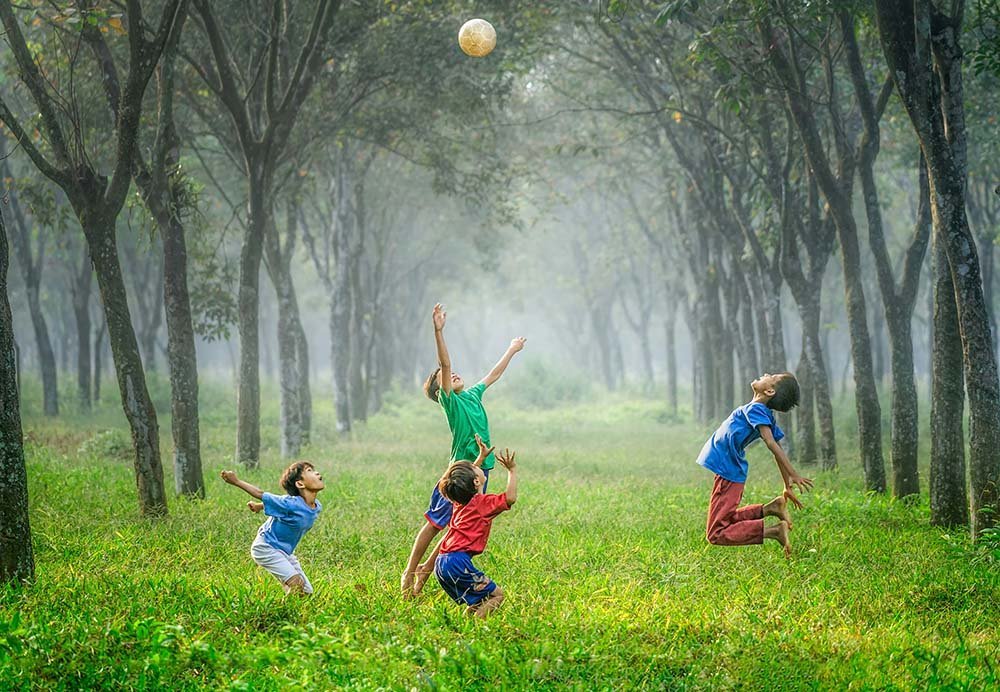
Play is much more than just fun and entertainment for children. It is one of the most important ways children learn, grow, and develop essential life skills. Through play, children explore the world around them, build relationships, solve problems, express emotions, and develop their physical and cognitive abilities.
For parents, play provides valuable opportunities to connect with their children, strengthen bonds, and support healthy development. Whether it's a game of peek-a-boo with a baby, building blocks with a toddler, or imaginative role-playing with a preschooler, every playful interaction contributes to a child's growth.
In this guide from DayByDay.in, we'll explore why play is vital for child development and how parents can use play to support learning, confidence, and emotional well-being.
Why Play Matters
Children are naturally curious and learn best through hands-on experiences. Play allows them to experiment, discover, and practice new skills in a safe and enjoyable way.
Research shows that play supports:
- Brain development
- Language skills
- Social abilities
- Emotional growth
- Creativity
- Problem-solving
- Physical development
Simply put, play is a child's primary way of learning.
How Play Supports Child Development
Physical Development
Many forms of play help children strengthen their bodies and improve coordination.
Examples
- Crawling
- Running
- Jumping
- Climbing
- Throwing balls
- Dancing
Benefits
- Improved balance
- Stronger muscles
- Better coordination
- Enhanced motor skills
Physical play helps children develop the strength and confidence needed for everyday activities.
Cognitive Development
Play encourages children to think, learn, and solve problems.
Cognitive Skills Developed Through Play
- Memory
- Attention
- Reasoning
- Decision-making
- Problem-solving
Examples
Building blocks, puzzles, matching games, and sorting activities help children develop critical thinking skills.
Through play, children learn how things work and how to overcome challenges.
Language Development
Play provides countless opportunities for communication.
How Play Supports Language
- Expands vocabulary
- Encourages conversation
- Improves listening skills
- Develops storytelling abilities
Examples
Pretend play often involves dialogue, helping children practice speaking and expressing ideas.
Reading, singing, and interactive games also support language growth.
Social Development
Children learn important social skills through interaction with others.
Skills Developed
- Sharing
- Taking turns
- Cooperation
- Negotiation
- Teamwork
Examples
Playing with siblings, friends, or parents teaches children how to build healthy relationships.
Social play helps children understand social rules and develop empathy.
Emotional Development
Play helps children express and understand emotions.
Through Play, Children Learn To
- Manage frustration
- Handle disappointment
- Build confidence
- Express feelings safely
Pretend play often allows children to process experiences and emotions they may not yet have the words to explain.
Types of Play and Their Benefits
1. Unstructured Free Play
Free play occurs when children choose their own activities without specific instructions.
Benefits
- Encourages creativity
- Promotes independence
- Develops decision-making skills
Examples include drawing, exploring outdoors, and creating imaginary games.
2. Pretend Play
Also known as imaginative play, this involves acting out scenarios and roles.
Examples
- Playing house
- Pretending to be a doctor
- Running a pretend shop
Benefits
- Creativity
- Language development
- Social understanding
- Problem-solving
Pretend play helps children explore different perspectives and situations.
3. Physical Play
Physical play involves active movement.
Examples
- Running
- Climbing
- Jumping
- Ball games
Benefits
- Gross motor development
- Fitness
- Confidence
- Coordination
Physical activity also supports healthy growth and sleep.
4. Constructive Play
Children create or build something during constructive play.
Examples
- Building blocks
- LEGO
- Sand play
- Art projects
Benefits
- Creativity
- Fine motor skills
- Problem-solving
- Concentration
5. Social Play
This type of play involves interaction with others.
Examples
- Board games
- Group activities
- Team sports
Benefits
- Cooperation
- Communication
- Friendship-building
The Role of Play in Brain Development
The early years are a period of rapid brain growth.
During play, children:
- Form new neural connections
- Practice learning skills
- Strengthen memory
- Improve attention
Brain development is enhanced when children actively engage with people, objects, and their environment.
Simple activities such as stacking blocks or playing peek-a-boo contribute significantly to learning.
Why Parents Should Play with Their Children
Many parents believe play is something children do alone, but parental involvement offers additional benefits.
Strengthens Parent-Child Bonds
Play creates positive shared experiences.
Children feel:
- Loved
- Valued
- Connected
Strong emotional bonds support healthy development.
Supports Learning
Parents can introduce new words, concepts, and ideas during play.
Example
While building blocks, parents can discuss:
- Colors
- Shapes
- Numbers
- Sizes
Learning becomes natural and enjoyable.
Builds Confidence
Children gain confidence when parents show interest in their activities.
Simple encouragement can motivate children to keep trying and learning.
Play Ideas by Age
Babies (0–12 Months)
Activities
- Peek-a-boo
- Singing songs
- Tummy time
- Sensory exploration
- Reading picture books
Benefits
- Bonding
- Sensory development
- Language growth
Toddlers (1–3 Years)
Activities
- Building blocks
- Pretend play
- Dancing
- Simple puzzles
Benefits
- Motor skills
- Creativity
- Communication
Preschoolers (3–5 Years)
Activities
- Role-playing
- Drawing
- Outdoor games
- Storytelling
Benefits
- Social skills
- Problem-solving
- Emotional development
The Importance of Outdoor Play
Outdoor play offers unique developmental benefits.
Physical Benefits
- Exercise
- Coordination
- Strength
Cognitive Benefits
- Exploration
- Curiosity
- Problem-solving
Emotional Benefits
- Stress reduction
- Confidence building
Nature provides endless opportunities for learning and discovery.
Balancing Play and Structured Activities
While lessons and organized activities have value, children also need time for free play.
A healthy balance allows children to:
- Explore interests
- Develop creativity
- Build independence
Over-scheduling can reduce opportunities for spontaneous learning.
Play and Screen Time
Modern technology can be useful, but it should not replace active play.
Children benefit most from:
- Human interaction
- Physical movement
- Creative exploration
- Hands-on experiences
Real-world play supports development in ways screens cannot fully replicate.
Common Misconceptions About Play
"Play Is Just for Fun"
While play is enjoyable, it is also one of the most effective forms of learning.
"Educational Toys Are Necessary"
Children often learn just as much from simple household items, boxes, blocks, and imaginative games.
"Older Children Don't Need Play"
Play remains important throughout childhood and continues to support learning and emotional well-being.
Signs Your Child Is Benefiting from Play
Children who engage in regular play often show:
- Curiosity
- Creativity
- Confidence
- Better communication
- Improved problem-solving
- Stronger social skills
These benefits contribute to long-term success both academically and socially.
Simple Ways Parents Can Encourage More Play
- Create screen-free time daily
- Read together
- Spend time outdoors
- Provide open-ended toys
- Follow your child's interests
- Join in play occasionally
- Allow time for unstructured activities
The goal is not perfection but providing opportunities for exploration and fun.
Final Thoughts
Play is one of the most powerful tools for child development. It supports physical growth, brain development, language skills, emotional well-being, creativity, and social competence. More importantly, play helps children make sense of the world around them while building confidence and resilience.
For parents, play offers an opportunity to strengthen relationships, create lasting memories, and actively support their child's learning journey. Whether it's a simple game of peek-a-boo, a family board game, or imaginative storytelling, every playful moment contributes to healthy development.
At DayByDay.in, we believe that play is an essential part of childhood and parenting. Explore our parenting resources, child development guides, baby milestone trackers, and family activity ideas to help your child learn, grow, and thrive through every stage of development.



Comments (0)