
Introduction
Every parent wants to raise children who are happy, confident, resilient, and kind. While there is no perfect parenting formula, research consistently shows that children thrive when they grow up in a supportive, loving, and respectful environment. This approach is often referred to as positive parenting.
Positive parenting focuses on building strong relationships, encouraging good behavior, teaching life skills, and helping children develop self-confidence and emotional intelligence. Rather than relying primarily on punishment, positive parenting emphasizes guidance, communication, empathy, and mutual respect.
In this guide from DayByDay.in, we'll explore practical positive parenting strategies that can help you raise happy and confident children while strengthening your parent-child bond.
What Is Positive Parenting?
Positive parenting is an approach that focuses on:
- Respecting children as individuals
- Building strong emotional connections
- Teaching rather than punishing
- Encouraging responsibility
- Promoting emotional well-being
- Supporting healthy development
The goal is not to eliminate rules or boundaries but to create a nurturing environment where children feel loved, valued, and understood.
Why Positive Parenting Matters
Children who experience positive parenting often develop:
- Higher self-esteem
- Better emotional regulation
- Stronger social skills
- Greater independence
- Improved problem-solving abilities
- Better relationships with parents
Positive parenting also helps create a more peaceful and cooperative family environment.
1. Build a Strong Emotional Connection
A secure parent-child relationship forms the foundation of healthy development.
How to Strengthen Your Bond
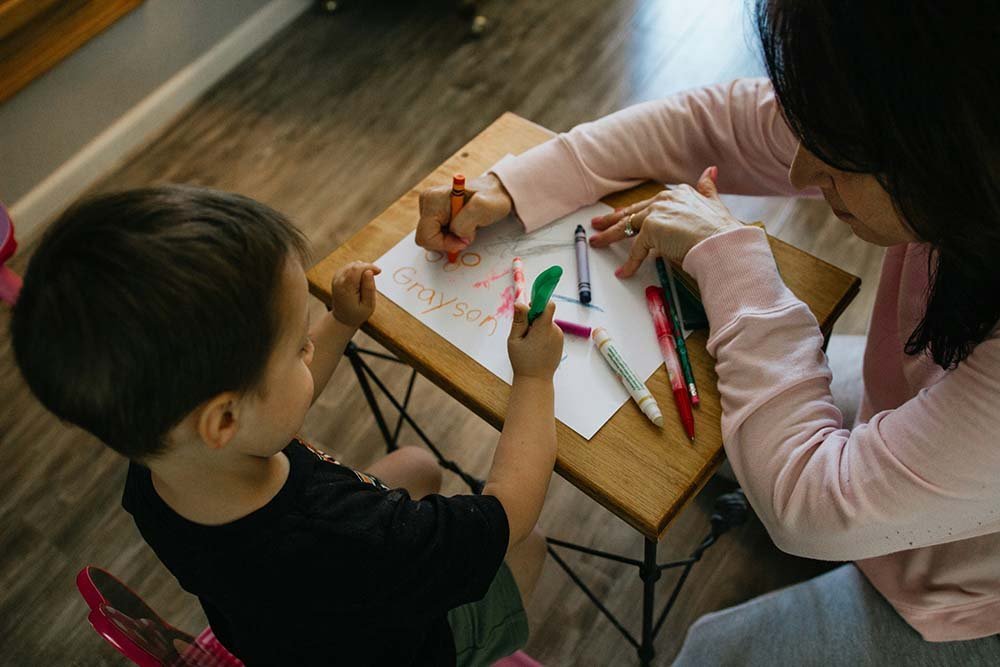
- Spend quality time together
- Listen attentively
- Show affection regularly
- Be emotionally available
- Participate in activities your child enjoys
Children who feel connected to their parents are more likely to cooperate and develop confidence.
2. Show Unconditional Love
Children need to know they are loved regardless of their mistakes or achievements.
What Unconditional Love Looks Like
- Offering support during difficult moments
- Separating behavior from self-worth
- Avoiding labels such as "bad" or "lazy"
- Providing comfort when needed
Children who feel accepted are more likely to develop a healthy self-image.
3. Encourage Independence
Confidence grows when children learn they are capable.
Age-Appropriate Ways to Encourage Independence
Toddlers
- Choosing clothes
- Putting toys away
Preschoolers
- Helping with simple chores
- Making small decisions
School-Age Children
- Managing homework
- Organizing belongings
Allowing children to do things for themselves builds self-confidence and responsibility.
4. Focus on Positive Reinforcement
Children often repeat behaviors that receive positive attention.
Examples
- Verbal praise
- Encouragement
- High-fives
- Extra playtime
Instead of Saying
"Stop being messy."
Try Saying
"I like how you're organizing your toys."
Positive reinforcement helps children understand what behaviors are expected.
5. Praise Effort Rather Than Perfection
Children benefit when parents recognize hard work rather than only outcomes.
Helpful Statements
- "You worked really hard on that."
- "I'm proud of your effort."
- "You kept trying even when it was difficult."
This encourages a growth mindset and resilience.
6. Set Clear and Consistent Boundaries
Positive parenting does not mean a lack of rules.
Children feel safer when expectations are clear.
Effective Boundaries Are
- Consistent
- Age-appropriate
- Fair
- Easy to understand
Examples
- Speak respectfully.
- Clean up after playtime.
- Follow bedtime routines.
Consistency helps children understand limits.
7. Teach Emotional Intelligence
Emotionally intelligent children are better able to understand and manage their feelings.
Ways to Teach Emotional Skills
- Name emotions
- Discuss feelings openly
- Validate emotions
- Model healthy emotional responses
Example
Instead of saying:
"Don't cry."
Try:
"I see you're upset. Let's talk about what happened."
Children learn emotional regulation through guidance and practice.
8. Listen More Than You Speak
Children want to feel heard and understood.
Active Listening Includes
- Maintaining eye contact
- Avoiding interruptions
- Showing empathy
- Asking thoughtful questions
When children feel listened to, they are more likely to communicate openly.
9. Encourage Problem-Solving
Rather than solving every problem for your child, help them think through solutions.
Questions to Ask
- "What do you think we should do?"
- "How could we solve this?"
- "What might happen if you try that?"
Problem-solving skills build confidence and independence.
10. Model the Behavior You Want to See
Children learn by watching adults.
Demonstrate
- Kindness
- Patience
- Respect
- Honesty
- Responsibility
Your actions often teach more effectively than your words.
11. Allow Children to Make Mistakes
Mistakes are valuable learning opportunities.
Why Mistakes Matter
Children learn:
- Responsibility
- Resilience
- Problem-solving
- Accountability
Instead of focusing on blame, focus on learning.
Ask
"What can we learn from this experience?"
12. Encourage Kindness and Empathy
Happy and confident children often understand how their actions affect others.
Ways to Teach Empathy
- Volunteer together
- Discuss emotions
- Encourage helping behaviors
- Read stories about kindness
Empathy strengthens relationships and social skills.
13. Create Family Routines
Predictable routines help children feel secure.
Helpful Routines
- Family meals
- Bedtime routines
- Reading time
- Weekend activities
Consistency creates stability and reduces stress.
14. Support Healthy Risk-Taking
Confidence develops when children try new things.
Examples
- Learning a new skill
- Meeting new friends
- Participating in activities
- Solving challenges independently
Allow children to step outside their comfort zones while providing support.
15. Spend Quality Time Together
Children value attention more than expensive gifts.
Simple Ways to Connect
- Read together
- Play games
- Take walks
- Cook together
- Talk about their day
Even small moments of connection can have a lasting impact.
Building Confidence in Children
Encourage Strengths
Help children discover their interests and talents.
Celebrate Progress
Recognize improvement rather than focusing only on achievements.
Avoid Comparisons
Every child develops differently.
Comparisons can damage confidence and self-esteem.
Teach Self-Belief
Encourage statements such as:
- "I can try."
- "I can learn."
- "Mistakes help me grow."
These messages support resilience and confidence.
Common Positive Parenting Mistakes to Avoid
Overprotecting Children
Allow opportunities for independence and growth.
Excessive Criticism
Frequent criticism can lower self-esteem.
Inconsistent Rules
Mixed messages create confusion.
Expecting Perfection
Children learn through trial and error.
Signs Positive Parenting Is Working
Children may begin to show:
- Greater confidence
- Improved communication
- Better emotional control
- Increased responsibility
- Stronger social skills
- Positive relationships
These changes often develop gradually over time.
Positive Parenting Across Different Ages
Babies
- Respond to needs consistently
- Build secure attachment
- Engage through play
Toddlers
- Set simple boundaries
- Encourage independence
- Use positive reinforcement
Preschoolers
- Teach emotional skills
- Encourage cooperation
- Support curiosity
School-Age Children
- Foster responsibility
- Encourage problem-solving
- Build self-confidence
Remember: Progress Over Perfection
No parent gets everything right.
There will be:
- Difficult days
- Parenting mistakes
- Challenging behaviors
Positive parenting is not about being perfect. It's about building a loving relationship and continually guiding children toward healthy development.
Final Thoughts
Positive parenting is one of the most effective ways to raise happy, confident, and emotionally healthy children. By focusing on connection, communication, empathy, consistency, and encouragement, parents can create an environment where children feel safe to learn, grow, and become their best selves.
Remember that confidence and happiness are built through everyday interactions. Simple acts of love, support, listening, and guidance can have a profound impact on your child's future.
At DayByDay.in, we're committed to helping parents raise healthy, resilient, and confident children through expert-backed parenting advice, child development resources, family wellness guides, and practical everyday tips. Explore our parenting section for more insights to support your family's journey.
SEO Keywords: positive parenting tips, happy children, confident children, positive parenting strategies, raising confident kids, parenting advice, child development, emotional intelligence in children, positive discipline, DayByDay.in.



Comments (0)