
Introduction
Pregnancy is an incredible journey filled with excitement, anticipation, and many physical and emotional changes. From the earliest days after conception to the final weeks before delivery, your body works tirelessly to nurture and support your growing baby. Along the way, you may experience a wide range of symptoms—some expected, some surprising.
Understanding pregnancy symptoms can help you feel more prepared and confident as you navigate each stage. While many symptoms are completely normal, others may require medical attention. In this guide, we'll explain the most common pregnancy symptoms, what causes them, and when it's important to contact your healthcare provider.
Early Signs of Pregnancy
Every woman experiences pregnancy differently, but several symptoms commonly appear during the first few weeks.
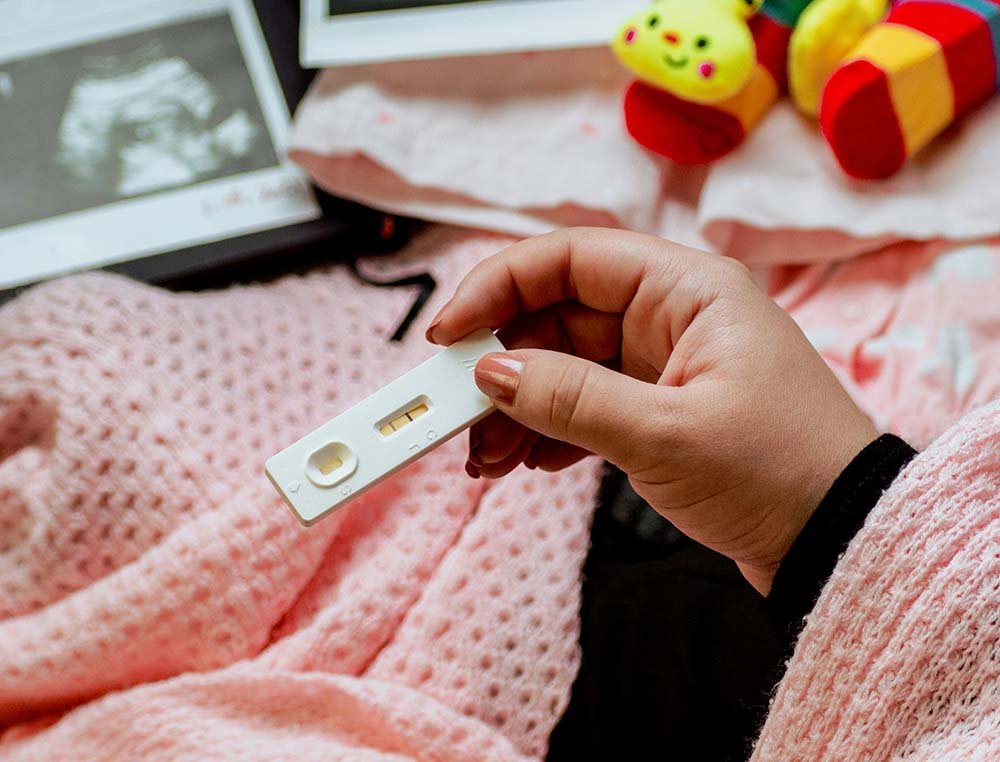
1. Missed Period
A missed menstrual cycle is often the first noticeable sign of pregnancy. If your period is late and you've been sexually active, taking a pregnancy test is a good first step.
2. Fatigue
Many women feel unusually tired during early pregnancy. Rising progesterone levels, increased blood production, and the body's rapid adjustments contribute to this overwhelming fatigue.
3. Nausea and Morning Sickness
Despite its name, morning sickness can occur at any time of day. It typically begins around weeks 5 to 6 and may continue through the first trimester.
4. Breast Changes
Tender, swollen, or sensitive breasts are common early symptoms. Hormonal changes prepare the breasts for future milk production.
5. Frequent Urination
As pregnancy hormones increase blood flow to the kidneys, many women find themselves needing to urinate more frequently.
6. Mood Swings
Fluctuating hormones can affect emotions, causing mood changes, irritability, or heightened sensitivity.
7. Food Cravings and Aversions
Sudden cravings for specific foods or aversions to previously enjoyed foods are common during pregnancy.
Common Pregnancy Symptoms by Trimester
First Trimester (Weeks 1–13)
The first trimester often brings the most dramatic hormonal changes.
Common symptoms include:
- Fatigue
- Nausea and vomiting
- Breast tenderness
- Frequent urination
- Mood swings
- Bloating
- Mild cramping
- Food cravings and aversions
Many women also experience light spotting known as implantation bleeding, which occurs when the fertilized egg attaches to the uterus.
Second Trimester (Weeks 14–27)
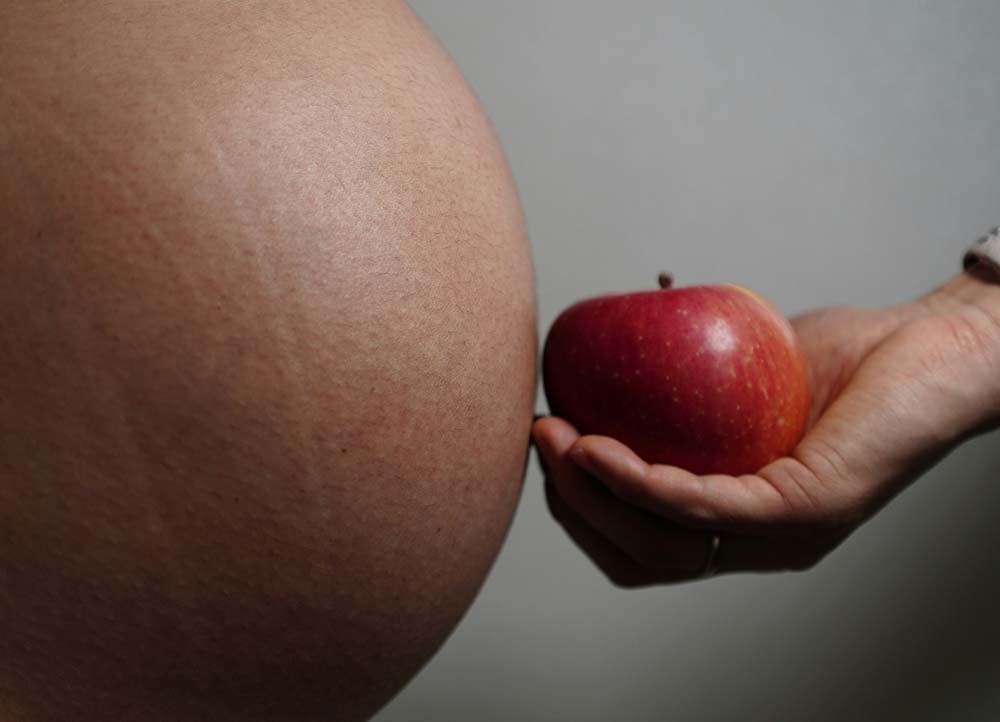
Often called the "honeymoon phase" of pregnancy, many women notice increased energy and reduced nausea.
Common symptoms include:
- Growing baby bump
- Increased appetite
- Back pain
- Nasal congestion
- Leg cramps
- Heartburn
- Skin changes
- Round ligament pain
During this stage, you'll likely begin feeling your baby's movements, often referred to as "quickening."
Third Trimester (Weeks 28–40)
As your baby grows larger, physical discomfort may increase.
Common symptoms include:
- Shortness of breath
- Swollen feet and ankles
- Frequent urination
- Sleep difficulties
- Braxton Hicks contractions
- Pelvic pressure
- Back pain
- Increased fatigue
These symptoms generally result from the growing uterus placing pressure on nearby organs and structures.
Physical Changes During Pregnancy
Pregnancy affects nearly every system in the body.
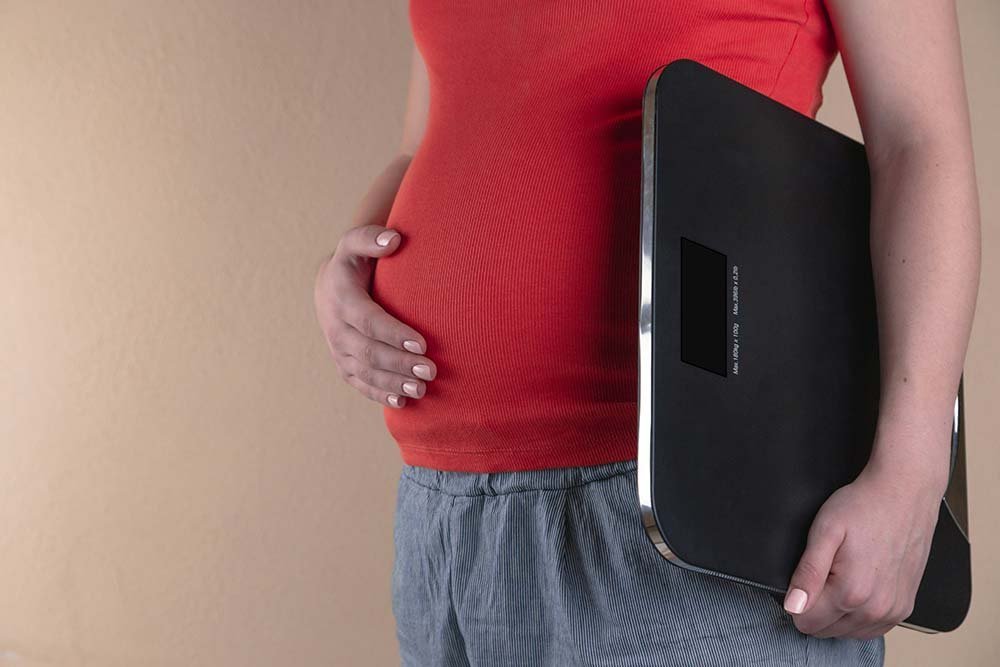
Weight Gain
Healthy weight gain varies depending on pre-pregnancy weight and individual circumstances. Your healthcare provider can guide you regarding appropriate weight gain goals.
Skin Changes
Many women experience:
- Darkening of the nipples
- Stretch marks
- Pregnancy glow
- Melasma (dark facial patches)
- Linea nigra (dark line on the abdomen)
Hair and Nail Changes
Increased hormone levels may cause hair to appear thicker and nails to grow faster.
Digestive Changes
Hormonal shifts can slow digestion, leading to:
- Constipation
- Bloating
- Gas
- Heartburn
Emotional Changes During Pregnancy
Pregnancy impacts emotional health as much as physical health.
You may experience:
- Excitement
- Anxiety
- Mood swings
- Increased sensitivity
- Concerns about childbirth or parenting
Maintaining open communication with loved ones and healthcare providers can help manage emotional changes effectively.
Symptoms That Are Usually Normal
Many symptoms can feel alarming but are often part of a healthy pregnancy.
These include:
- Mild cramping
- Occasional headaches
- Increased vaginal discharge
- Mild swelling
- Breast tenderness
- Fatigue
- Back discomfort
- Braxton Hicks contractions
However, if symptoms become severe or sudden, it's always wise to seek medical advice.
When to Call Your Doctor
While most pregnancy symptoms are normal, some warning signs require prompt medical attention.
Contact your healthcare provider if you experience:
Heavy Bleeding
Light spotting may be normal, but heavy bleeding similar to a menstrual period should be evaluated immediately.
Severe Abdominal Pain
Persistent or severe pain could indicate complications requiring medical assessment.
High Fever
A fever above 100.4°F (38°C) during pregnancy should not be ignored.
Severe Vomiting
Excessive vomiting can lead to dehydration and nutritional deficiencies.
Sudden Swelling
Rapid swelling of the face, hands, or feet may be a sign of preeclampsia.
Severe Headaches or Vision Changes
These symptoms may indicate elevated blood pressure and require urgent medical attention.
Reduced Baby Movements
After fetal movements become regular, a noticeable decrease should be discussed with your doctor.
Fluid Leakage
A sudden gush or continuous leaking of fluid may indicate that your water has broken.
Difficulty Breathing
Severe shortness of breath or chest pain requires immediate medical care.
Tips for Managing Pregnancy Symptoms
Stay Hydrated
Drink plenty of water throughout the day to reduce headaches, constipation, and fatigue.
Eat Small Frequent Meals
This can help manage nausea, heartburn, and blood sugar fluctuations.
Get Adequate Rest
Listen to your body and prioritize sleep whenever possible.
Stay Active
Regular pregnancy-safe exercise can improve circulation, mood, and overall comfort.
Wear Comfortable Clothing
Supportive footwear and loose-fitting clothes can reduce swelling and discomfort.
Attend Regular Prenatal Visits
Routine prenatal care helps ensure both mother and baby remain healthy throughout pregnancy.
Final Thoughts
Pregnancy is a unique experience filled with many changes, symptoms, and milestones. While fatigue, nausea, mood swings, and physical discomforts are often normal parts of the journey, understanding what to expect can make the experience less stressful and more enjoyable.
Remember that every pregnancy is different. Some women experience many symptoms, while others have very few. The most important step is maintaining regular prenatal care and seeking medical advice whenever something doesn't feel right.
At DayByDay.in, we're committed to supporting parents through every stage of pregnancy and beyond. Explore our week-by-week pregnancy guides, baby development updates, nutrition tips, and parenting resources to help make your journey informed, healthy, and joyful.

Comments (0)