Introduction
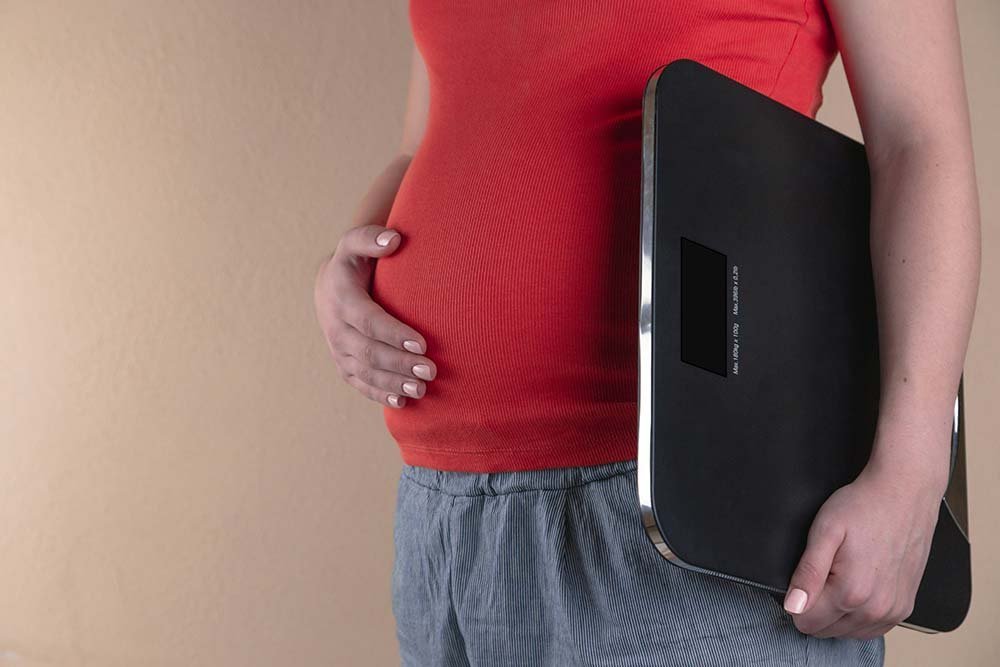
Pregnancy is an incredible journey filled with excitement, anticipation, and many physical changes. As your body adapts to support your growing baby, it's normal to experience a variety of discomforts along the way. While these symptoms can sometimes be frustrating, most are a natural part of pregnancy and can often be managed with simple lifestyle adjustments.
Understanding what causes these discomforts and knowing how to relieve them can help you feel more comfortable and confident throughout your pregnancy. In this guide from DayByDay.in, we'll explore the most common pregnancy discomforts and practical ways to manage them safely.
Why Pregnancy Causes Discomfort
During pregnancy, your body undergoes significant changes, including:
- Increased hormone production
- Weight gain
- Changes in blood circulation
- Expansion of the uterus
- Shifts in posture and balance
- Increased fluid retention
These changes help support your baby but can also lead to temporary discomforts.
1. Morning Sickness
One of the most common early pregnancy symptoms is nausea, often called morning sickness.
Common Symptoms
- Nausea
- Vomiting
- Food aversions
- Sensitivity to smells
How to Manage It
- Eat small, frequent meals
- Avoid greasy or spicy foods
- Keep plain crackers nearby
- Stay hydrated throughout the day
- Try ginger tea or ginger snacks if approved by your doctor
- Avoid strong odors that trigger nausea
Morning sickness usually improves after the first trimester, although some women may experience it longer.
2. Fatigue
Many pregnant women feel unusually tired, especially during the first and third trimesters.
Causes
- Hormonal changes
- Increased blood production
- Physical demands of pregnancy
- Sleep disturbances
How to Manage It
- Prioritize sleep
- Take short daytime naps when possible
- Eat nutritious meals
- Stay hydrated
- Engage in light physical activity such as walking
Listening to your body's need for rest is important during pregnancy.
3. Frequent Urination
As your uterus grows and hormones change, you may need to urinate more often.
How to Manage It
- Stay hydrated despite the inconvenience
- Avoid excessive caffeine
- Empty your bladder completely
- Reduce fluids right before bedtime if nighttime trips become disruptive
Frequent urination is often one of the earliest signs of pregnancy and may continue throughout the journey.
4. Heartburn and Indigestion
Many pregnant women experience heartburn, particularly during the second and third trimesters.
Causes
- Hormonal relaxation of digestive muscles
- Pressure from the growing uterus
How to Manage It
- Eat smaller meals
- Avoid lying down immediately after eating
- Limit spicy, fatty, and acidic foods
- Eat slowly
- Wear loose-fitting clothing
If symptoms become severe, consult your healthcare provider.
5. Constipation
Pregnancy hormones can slow digestion, making constipation a common complaint.
How to Manage It
- Increase fiber intake
- Eat fruits and vegetables daily
- Drink plenty of water
- Stay physically active
- Include whole grains in your diet
Avoid taking laxatives unless recommended by your healthcare provider.
6. Back Pain
As your baby grows, your center of gravity shifts, placing extra strain on your back.
How to Manage It
- Maintain good posture
- Wear supportive footwear
- Avoid lifting heavy objects
- Use a pregnancy pillow while sleeping
- Practice prenatal stretching exercises
Prenatal yoga can also help improve flexibility and reduce discomfort.
7. Leg Cramps
Painful leg cramps often occur during the second and third trimesters.
Possible Causes
- Increased weight
- Changes in circulation
- Pressure on nerves
How to Manage It
- Stretch your calf muscles regularly
- Stay hydrated
- Walk daily
- Elevate your legs when resting
- Wear comfortable footwear
Gentle stretching often helps relieve cramps quickly.
8. Swollen Feet and Ankles
Mild swelling is common, especially during the later stages of pregnancy.
How to Manage It
- Elevate your feet
- Avoid standing for long periods
- Stay hydrated
- Wear comfortable shoes
- Sleep on your side
Contact your healthcare provider if swelling is sudden or severe.
9. Shortness of Breath
As your uterus expands, it may place pressure on your diaphragm.
How to Manage It
- Maintain good posture
- Move slowly when changing positions
- Avoid overexertion
- Take breaks during physical activity
Mild breathlessness can be normal, but severe difficulty breathing requires medical attention.
10. Breast Tenderness
Hormonal changes prepare your breasts for breastfeeding.
How to Manage It
- Wear a supportive maternity bra
- Choose soft fabrics
- Avoid underwire bras if uncomfortable
Breast tenderness is often most noticeable during early pregnancy.
11. Mood Swings
Pregnancy hormones can affect emotions and mood.
Common Feelings
- Irritability
- Anxiety
- Excitement
- Emotional sensitivity
How to Manage It
- Get adequate rest
- Practice relaxation techniques
- Talk openly with loved ones
- Join pregnancy support groups
- Seek professional help if needed
Emotional well-being is an important part of prenatal health.
12. Sleep Problems
Many women struggle with sleep during pregnancy.
Causes
- Frequent urination
- Physical discomfort
- Anxiety
- Baby movements
How to Manage It
- Establish a bedtime routine
- Use supportive pillows
- Avoid heavy meals before bed
- Limit screen time before sleeping
- Sleep on your side when comfortable
Quality sleep supports both maternal and fetal health.
13. Nasal Congestion
Pregnancy hormones can cause swelling in the nasal passages.
How to Manage It
- Use a humidifier
- Stay hydrated
- Elevate your head while sleeping
- Use saline nasal sprays if approved
This condition is often temporary and resolves after delivery.
14. Stretch Marks
As your skin expands, stretch marks may appear on the abdomen, breasts, hips, or thighs.
How to Manage It
- Keep skin moisturized
- Maintain healthy weight gain
- Stay hydrated
While stretch marks cannot always be prevented, they often fade over time.
15. Braxton Hicks Contractions
These "practice contractions" help prepare the uterus for labor.
Characteristics
- Irregular
- Usually painless
- Often stop with rest or hydration
How to Manage Them
- Drink water
- Change positions
- Rest
If contractions become regular or painful, contact your healthcare provider.
Healthy Habits That Reduce Pregnancy Discomforts
Several daily habits can help minimize common symptoms.
Stay Hydrated
Water supports circulation, digestion, and overall health.
Eat Balanced Meals
Focus on nutrient-rich foods that provide sustained energy.
Exercise Regularly
Walking, stretching, and prenatal yoga can improve comfort and mobility.
Get Enough Rest
Prioritize sleep and listen to your body's signals.
Attend Prenatal Appointments
Regular checkups help identify potential concerns early.
When to Call Your Doctor
While most pregnancy discomforts are normal, certain symptoms require medical attention.
Contact your healthcare provider if you experience:
- Heavy bleeding
- Severe abdominal pain
- High fever
- Severe headaches
- Vision changes
- Sudden swelling
- Reduced baby movements
- Difficulty breathing
- Persistent vomiting
Never hesitate to seek medical advice if something feels unusual.
Final Thoughts
Pregnancy discomforts are a normal part of your body's remarkable transformation as it nurtures new life. While symptoms such as nausea, fatigue, heartburn, back pain, and swelling can be challenging, many can be managed with healthy lifestyle habits and proper prenatal care.
Remember that every pregnancy is unique. Some women experience many symptoms, while others have very few. The key is understanding what is normal, taking care of yourself, and seeking medical guidance whenever needed.
At DayByDay.in, we're dedicated to helping parents navigate pregnancy with confidence through expert-backed articles, week-by-week pregnancy guides, baby development updates, nutrition advice, and parenting resources. Explore our growing library of content to support every stage of your pregnancy journey.


Comments (0)