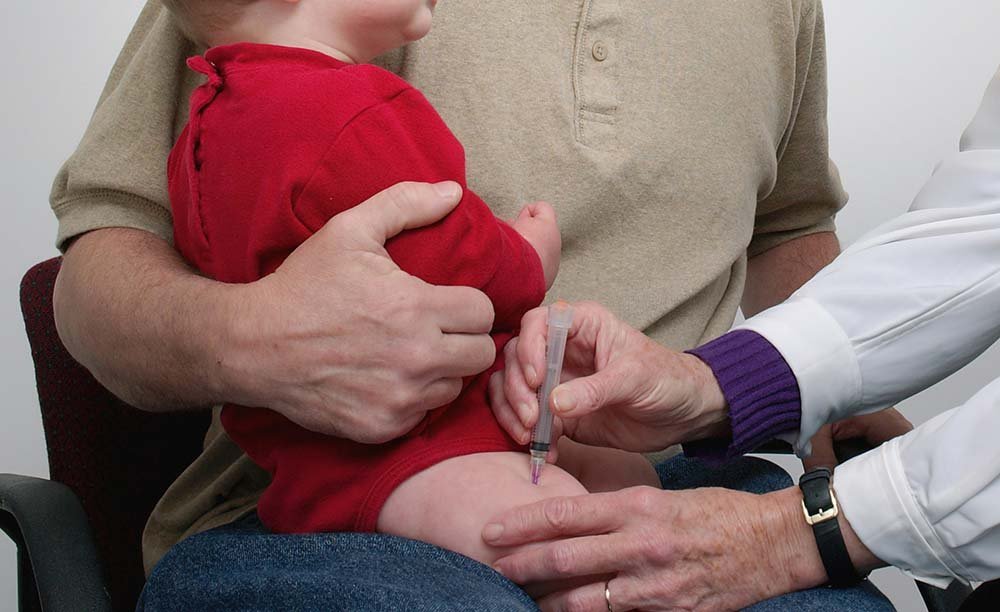
Newborn Vaccination Guide in India: Essential Immunizations During the First Year | DayByDay.in
Introduction
Vaccinations are one of the most effective ways to protect babies from serious and potentially life-threatening diseases. During the first year of life, a baby's immune system is still developing, making them more vulnerable to infections. Vaccines help train the immune system to recognize and fight harmful bacteria and viruses before they cause severe illness.
For Indian parents, understanding the vaccination schedule can feel overwhelming, especially during the busy newborn months. Knowing which vaccines are recommended, when they should be given, and why they matter can help you make informed decisions and ensure your child receives timely protection.
In this comprehensive guide from DayByDay.in, we'll explain the essential vaccinations recommended during your baby's first year, common side effects, and tips for keeping your child's immunization schedule on track.
Why Vaccinations Are Important
Vaccines help protect babies against diseases that once caused widespread illness, disability, and death.
Benefits of Vaccination
- Protects against serious diseases
- Reduces risk of complications
- Supports community immunity
- Prevents disease outbreaks
- Helps children grow up healthier
Vaccination is considered one of the greatest public health achievements worldwide.
How Vaccines Work
Vaccines contain weakened, inactive, or harmless parts of germs that stimulate the immune system.
After vaccination, the body learns to:
- Recognize the disease
- Produce protective antibodies
- Respond quickly if exposed in the future
This protection helps prevent severe illness.
Vaccination Schedule for Babies in India
India's immunization schedule includes vaccines provided through the Universal Immunization Programme (UIP) as well as additional vaccines recommended by pediatricians.
Always follow the schedule advised by your child's pediatrician.
At Birth
BCG Vaccine
Protects Against
- Severe forms of tuberculosis (TB)
Given As
- Single injection, usually shortly after birth
A small scar often develops later, which is normal.
Hepatitis B (Birth Dose)
Protects Against
- Hepatitis B infection
This vaccine helps protect the liver from serious disease.
OPV (Oral Polio Vaccine)
Protects Against
- Polio
Usually given as oral drops.
At 6 Weeks
Several important vaccines are typically administered.
DTP Vaccine
Protects Against
- Diphtheria
- Tetanus
- Pertussis (Whooping Cough)
IPV (Inactivated Polio Vaccine)
Provides additional protection against polio.
Hepatitis B
Continues protection started at birth.
Hib Vaccine
Protects Against
- Haemophilus influenzae type b infections
This bacteria can cause meningitis and other serious illnesses.
Rotavirus Vaccine
Protects Against
- Severe diarrhea caused by rotavirus
Usually given orally.
Pneumococcal Vaccine (PCV)
Protects Against
- Pneumonia
- Meningitis
- Serious bacterial infections
At 10 Weeks
The second doses of several vaccines are typically administered.
These may include:
- DTP
- IPV
- Hib
- Rotavirus
- PCV
Multiple doses help strengthen immunity.
At 14 Weeks
Another round of routine vaccinations is usually recommended.
Common Vaccines
- DTP
- IPV
- Hib
- Rotavirus
- PCV
Completing the primary series is essential for strong protection.
At 6 Months
Hepatitis B
Depending on the schedule followed, another dose may be recommended.
Influenza Vaccine
Many pediatricians recommend annual flu vaccination beginning around six months of age.
Protects Against
- Seasonal influenza
Discuss timing with your doctor.
At 9 Months
Measles-Rubella (MR) Vaccine
Protects Against
- Measles
- Rubella
Measles can cause serious complications in young children.
At 9–12 Months
Depending on your pediatrician's recommendations, additional vaccines may include:
Typhoid Vaccine
Protects Against
- Typhoid fever
Hepatitis A Vaccine
Protects Against
- Hepatitis A infection
Varicella (Chickenpox) Vaccine
Protects Against
- Chickenpox
These vaccines may vary based on individual circumstances and healthcare provider recommendations.
Vaccines Commonly Recommended During the First Year
Government Program Vaccines
Often include:
- BCG
- OPV
- IPV
- DTP
- Hepatitis B
- Hib
- MR
Additional Pediatrician-Recommended Vaccines
May include:
- Rotavirus
- PCV
- Influenza
- Typhoid
- Hepatitis A
- Varicella
Your pediatrician will help determine the best schedule.
Keeping Track of Vaccinations
Use a Vaccination Record
Maintain:
- Immunization card
- Hospital records
- Digital reminders
Accurate records help prevent missed doses.
Set Reminders
Many parents use:
- Mobile calendar alerts
- Health apps
- Pediatric clinic reminders
Timely vaccination is important for maximum protection.
Common Side Effects After Vaccination
Most side effects are mild and temporary.
Common Reactions
- Mild fever
- Fussiness
- Sleepiness
- Redness at injection site
- Mild swelling
These symptoms usually resolve within a few days.
Comforting Your Baby After Vaccination
Helpful Tips
Continue Feeding Normally
Breastfeeding or formula feeding can be comforting.
Provide Extra Cuddles
Physical comfort often helps soothe babies.
Follow Medical Advice
Only give medications if recommended by your doctor.
Vaccine Myths and Facts
Myth: Vaccines Overload a Baby's Immune System
Fact
Babies encounter thousands of germs daily. Vaccines represent only a tiny challenge to the immune system.
Myth: Natural Infection Is Better Than Vaccination
Fact
Natural infection can cause serious complications. Vaccination provides protection without the risks of severe disease.
Myth: Vaccines Cause Developmental Problems
Fact
Extensive research has found no evidence that routine childhood vaccines cause developmental disorders.
Myth: If Other Children Are Vaccinated, My Child Doesn't Need Vaccines
Fact
Every child needs individual protection through vaccination.
When Vaccines May Be Delayed
In some situations, your pediatrician may recommend postponing a vaccine.
Examples include:
- Certain illnesses
- High fever
- Specific medical conditions
Always follow professional medical guidance.
Frequently Asked Questions
Can Multiple Vaccines Be Given on the Same Day?
Yes. This is common practice and is considered safe.
What If My Baby Misses a Vaccine?
Contact your pediatrician. Catch-up schedules are often available.
Are Vaccines Safe?
Vaccines undergo extensive testing and monitoring to ensure safety and effectiveness.
Why Are Multiple Doses Needed?
Some vaccines require several doses to build strong, lasting immunity.
Tips for Parents on Vaccination Day
Before the Visit
✔ Bring vaccination records
✔ Dress baby in comfortable clothing
✔ Feed your baby normally
After the Visit
✔ Monitor for mild side effects
✔ Offer comfort and cuddles
✔ Follow your doctor's instructions
Warning Signs After Vaccination
Serious reactions are rare, but seek medical attention if your baby develops:
- Difficulty breathing
- Severe swelling
- High fever
- Persistent crying
- Unusual lethargy
- Signs of an allergic reaction
Contact your healthcare provider immediately if concerned.
Vaccination and Community Health
When more children are vaccinated, communities become better protected against disease outbreaks.
This helps safeguard:
- Infants
- Elderly individuals
- People with weakened immune systems
Vaccination benefits both individual families and society as a whole.
Final Thoughts
The first year of life is a critical period for building your baby's protection against serious infectious diseases. Following the recommended vaccination schedule helps ensure your child receives timely and effective protection during this vulnerable stage of development.
Keep accurate records, attend regular pediatric appointments, and discuss any questions or concerns with your healthcare provider. Staying informed is one of the best ways to support your child's health and well-being.
At DayByDay.in, we're committed to helping Indian parents navigate pregnancy, newborn care, child development, nutrition, health, and parenting with confidence. Explore our expert-backed guides, milestone trackers, wellness resources, and parenting articles to support your family's journey every step of the way.

Comments (0)