Introduction
As your due date approaches, excitement, anticipation, and anxiety often begin to grow. For many expectant mothers, especially first-time moms, one of the biggest questions is: "What will labor and delivery be like?" Understanding the childbirth process can help reduce fear and prepare you for one of the most important days of your life.
Labor and delivery are unique experiences for every woman. Some births progress quickly, while others take longer. Some mothers have vaginal deliveries, while others may require a cesarean section (C-section). Knowing what to expect can help you feel more confident, informed, and prepared.
In this comprehensive guide from DayByDay.in, we'll explain the stages of labor, common labor signs, pain management options, delivery methods, and practical tips for Indian mothers preparing for childbirth.
What Is Labor?
Labor is the process through which your body prepares for and delivers your baby.
During labor:
- The cervix softens and opens (dilates)
- Uterine contractions become stronger
- The baby moves through the birth canal
- Delivery takes place
Labor can begin naturally or, in some cases, be medically induced.
When Does Labor Usually Begin?
A full-term pregnancy typically lasts between:
37 and 42 weeks
Many women go into labor naturally between 38 and 40 weeks.
Every pregnancy is different, and due dates are estimates rather than exact predictions.
Early Signs of Labor
Understanding labor signs can help you know when it's time to contact your healthcare provider or head to the hospital.
1. Regular Contractions
Labor contractions:
- Become stronger over time
- Occur at regular intervals
- Last longer as labor progresses
Unlike Braxton Hicks contractions, true labor contractions do not disappear with rest.
2. Water Breaking
The amniotic sac surrounding the baby may rupture.
You May Notice
- A sudden gush of fluid
- Continuous leaking
Contact your healthcare provider if your water breaks.
3. Bloody Show
A mucus discharge mixed with blood may appear as the cervix begins to open.
This can occur hours or even days before labor progresses.
4. Lower Back Pain
Some women experience persistent lower back discomfort as labor approaches.
5. Pelvic Pressure
As the baby moves lower into the pelvis, you may feel increased pressure.
False Labor vs True Labor
Many women experience practice contractions before actual labor.
False Labor (Braxton Hicks)
- Irregular contractions
- Often improve with rest
- Usually less intense
True Labor
- Regular contractions
- Increasing intensity
- Progressive cervical dilation
If you're unsure, contact your healthcare provider.
The Three Stages of Labor
Labor is generally divided into three stages.
Stage 1: Cervical Dilation
This is the longest stage of labor.
The cervix gradually opens from:
0 cm to 10 cm
Stage 1 has three phases.
Early Labor
What Happens
- Cervix begins opening
- Mild contractions occur
Duration
Can last several hours or longer, especially for first-time mothers.
Active Labor
What Happens
- Contractions become stronger
- Cervix dilates more rapidly
Common Symptoms
- Increased discomfort
- Strong pelvic pressure
- Need for focused breathing
Many women are admitted to the hospital during this phase.
Transition Phase
The final part of Stage 1.
Characteristics
- Very strong contractions
- Rapid cervical dilation
- Intense emotions
This phase often signals that delivery is approaching.
Stage 2: Pushing and Birth
Once the cervix reaches 10 cm, the pushing stage begins.
What Happens
- The baby moves through the birth canal
- Mothers actively push during contractions
The healthcare team provides guidance throughout this stage.
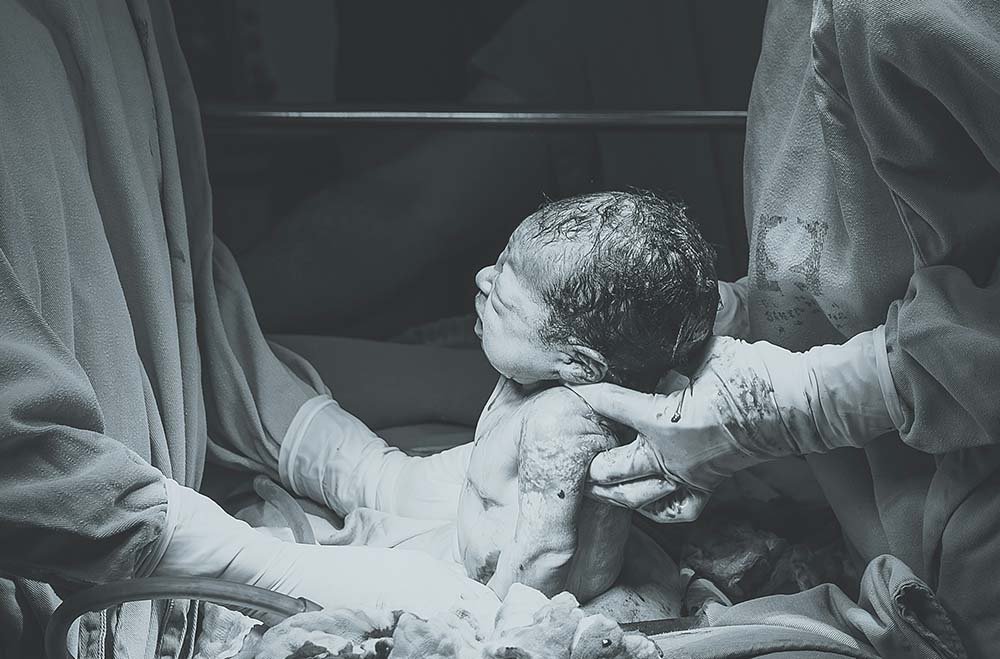
Delivery of the Baby
The baby's:
- Head emerges first in most cases
- Shoulders and body follow shortly afterward
The moment of birth is often emotional and unforgettable.
Stage 3: Delivery of the Placenta
After the baby is born, the placenta is delivered.
Usually Occurs
Within 5–30 minutes after birth.
This completes the labor process.
Pain During Labor
Labor pain varies significantly between women.
Factors influencing pain include:
- Baby's position
- Labor duration
- Individual pain tolerance
- Emotional state
Remember that labor pain has a purpose—it helps move the baby toward birth.
Natural Pain Management Techniques
Many Indian mothers choose natural coping methods.
Deep Breathing
Controlled breathing helps promote relaxation.
Walking
Movement may reduce discomfort and encourage labor progress.
Position Changes
Different positions may improve comfort.
Examples:
- Sitting
- Standing
- Squatting
- Leaning forward
Massage
Partner or family support may provide comfort through gentle massage.
Warm Showers
Some women find warm water soothing during labor.
Medical Pain Relief Options
Discuss options with your healthcare provider before labor.
Epidural
A commonly used form of pain relief.
Benefits
- Significant pain reduction
- Allows rest during labor
Other Medications
Hospitals may offer additional pain management options depending on individual circumstances.
Vaginal Delivery
A vaginal birth is the most common delivery method.
Benefits
- Shorter recovery time
- Lower surgical risk
- Earlier mobility
Many women have successful vaginal deliveries with appropriate medical support.
Cesarean Section (C-Section)
A C-section is a surgical procedure used to deliver the baby through incisions in the abdomen and uterus.
Reasons for a C-Section
May include:
- Fetal distress
- Breech position
- Multiple pregnancy
- Labor complications
- Medical conditions
C-sections are common and can be life-saving when medically necessary.
What Happens Immediately After Birth?
Following delivery:
The Baby
- Is examined
- May be placed skin-to-skin with the mother
- Begins early bonding
The Mother
- Is monitored closely
- Receives support for recovery
The first hours after birth are important for bonding and breastfeeding.
Skin-to-Skin Contact
Placing the baby on the mother's chest offers many benefits.
Benefits
- Regulates baby's temperature
- Supports breastfeeding
- Promotes bonding
- Reduces stress
Many hospitals encourage immediate skin-to-skin contact.
Breastfeeding After Delivery
Many babies begin breastfeeding within the first hour after birth.
Benefits
- Provides colostrum
- Supports bonding
- Stimulates milk production
Healthcare providers can assist with breastfeeding techniques.
Hospital Bag Checklist for Indian Mothers
Pack your hospital bag before your due date.
Essentials for Mom
✔ Medical records
✔ Comfortable clothing
✔ Maternity pads
✔ Toiletries
✔ Mobile charger
Essentials for Baby
✔ Newborn clothes
✔ Diapers
✔ Blanket
✔ Baby cap
Preparation reduces stress when labor begins.
How Partners Can Help During Labor
Support from a spouse or family member can be invaluable.
Helpful Ways to Support
- Provide encouragement
- Assist with breathing techniques
- Offer comfort measures
- Communicate with healthcare staff
Emotional support often improves the birth experience.
Traditional Indian Labor Beliefs: Facts and Myths
Myth: Eating Ghee Guarantees Normal Delivery
Fact
No food can guarantee a particular delivery outcome.
Myth: Walking Causes Early Labor
Fact
Walking is generally considered safe and beneficial during late pregnancy.
Myth: Labor Always Starts with Water Breaking
Fact
Many women begin labor contractions before their water breaks.
When to Go to the Hospital
Contact your healthcare provider or go to the hospital if:
- Contractions become regular and strong
- Your water breaks
- You experience heavy bleeding
- Baby movements decrease
- You have severe pain or concerning symptoms
Always follow your doctor's instructions.
Warning Signs Requiring Immediate Medical Attention
Seek urgent medical care if you experience:
- Heavy vaginal bleeding
- Severe headache
- Vision changes
- Severe abdominal pain
- Reduced fetal movement
Prompt evaluation is essential.
Recovery After Childbirth
Recovery varies depending on:
- Type of delivery
- Overall health
- Labor experience
Focus on:
- Rest
- Nutrition
- Hydration
- Follow-up care
Healing takes time, and support is important.
Final Thoughts
Labor and delivery are powerful, transformative experiences that bring your baby into the world. While childbirth can feel unpredictable, understanding the process can help reduce anxiety and build confidence. Knowing the signs of labor, stages of childbirth, pain relief options, and delivery methods allows you to prepare mentally and physically for the journey ahead.
Remember that every birth story is unique. Whether you have a vaginal delivery or a C-section, the ultimate goal is a safe and healthy outcome for both mother and baby.
At DayByDay.in, we're dedicated to supporting Indian mothers through pregnancy, labor, childbirth, postpartum recovery, baby care, and parenting. Explore our expert-backed guides, pregnancy trackers, wellness resources, and family health articles to help you navigate every stage of motherhood with confidence.



Comments (0)