
Introduction
Many expecting mothers in India hope for a safe and normal delivery, but also feel unsure about how to prepare their body for childbirth. While every pregnancy is unique and delivery depends on multiple medical factors, prenatal yoga can play a supportive role in preparing the body and mind for labor.
Gynecologists and prenatal fitness experts often recommend yoga because it helps improve flexibility, reduces stress, strengthens key muscles, and teaches breathing techniques that are useful during labor.
In this guide from DayByDay.in, we explain how prenatal yoga may support a smoother delivery experience and which practices are most helpful.
1. Understanding Normal Delivery
A normal (vaginal) delivery happens when:
- Labor starts naturally
- Baby moves through the birth canal
- No major surgical intervention is needed
Important Note:
Prenatal yoga cannot guarantee normal delivery, but it can help prepare the body and improve overall readiness for labor.
2. How Prenatal Yoga Supports Childbirth
1. Improves Flexibility of Pelvic Muscles
Why it matters:
The pelvic region plays a key role in childbirth.
How yoga helps:
- Opens hip joints
- Increases pelvic flexibility
- Makes pushing stage easier
2. Strengthens Lower Back and Core Muscles
Benefits during labor:
- Better posture during contractions
- Reduced back strain
- Improved stamina
Helpful poses:
- Cat-Cow pose
- Pelvic tilts
3. Teaches Controlled Breathing
Why breathing is important:
Breathing helps manage pain and anxiety during labor.
Yoga benefit:
- Improves oxygen flow
- Reduces panic during contractions
- Helps stay calm during delivery
4. Reduces Stress and Fear of Childbirth
Common issue:
Many mothers experience fear of labor pain.
How yoga helps:
- Calms the nervous system
- Reduces anxiety hormones
- Improves emotional balance
5. Improves Blood Circulation
Benefits:
- Better oxygen supply to baby
- Reduces swelling in legs
- Supports overall pregnancy health
6. Helps Baby Move into Proper Position
Certain yoga poses may encourage:
- Better fetal positioning
- Reduced discomfort in late pregnancy
- Easier progression of labor (in some cases)
3. Best Prenatal Yoga Practices for Normal Delivery Preparation
1. Butterfly Pose
✔ Opens hips
✔ Strengthens pelvic floor
2. Squatting Pose (Supported)
✔ Widens pelvic outlet
✔ Helps in pushing stage
3. Cat-Cow Pose
✔ Improves spine flexibility
✔ Reduces labor back pain
4. Pelvic Tilts
✔ Strengthens core muscles
✔ Supports labor endurance
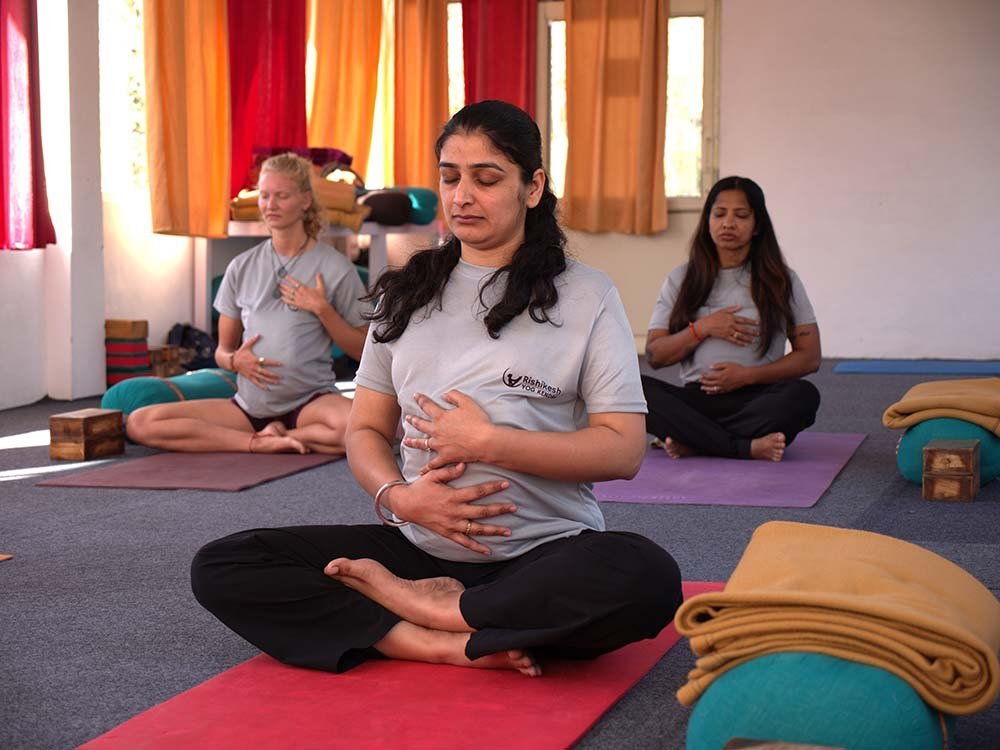
5. Deep Breathing (Pranayama)
✔ Helps manage contractions
✔ Improves oxygen flow
4. When to Start Prenatal Yoga
Safe timeline:
- Usually from second trimester (after 12–14 weeks)
Always:
✔ Take gynecologist approval before starting
✔ Start slowly with beginner poses
5. Important Safety Guidelines
✔ Avoid overstretching
✔ Do not hold breath during poses
✔ Avoid lying flat on back in later pregnancy
✔ Stop immediately if you feel pain, dizziness, or discomfort
✔ Practice under guidance if possible
6. Who Should Be Extra Careful?
Prenatal yoga should be avoided or modified if you have:
- High-risk pregnancy
- Placenta complications
- Severe blood pressure issues
- Doctor-advised bed rest
- History of preterm labor
7. Lifestyle Benefits That Support Normal Delivery
Prenatal yoga works best when combined with:
✔ Healthy diet
- Fruits, vegetables, whole grains, protein
✔ Regular checkups
- Monitoring baby growth and health
✔ Adequate rest
- Proper sleep improves recovery and energy
✔ Stress control
- Calm mind supports smoother labor
8. Common Myths About Prenatal Yoga and Delivery
Myth: Yoga guarantees normal delivery
Fact: Delivery depends on medical and physical conditions.
Myth: Exercise should be avoided during pregnancy
Fact: Safe prenatal yoga is beneficial for most women.
Myth: Only advanced yoga is effective
Fact: Simple beginner poses are most useful in pregnancy.
9. When to Stop Yoga Immediately
Stop and consult your doctor if you experience:
- Vaginal bleeding
- Severe abdominal pain
- Dizziness or fainting
- Reduced fetal movement
- Fluid leakage
Final Thoughts
Prenatal yoga is not a guarantee for normal delivery, but it is a powerful supportive practice that can help mothers prepare physically and mentally for childbirth. It improves flexibility, strengthens key muscles, reduces stress, and teaches breathing techniques that are especially useful during labor.
For Indian mothers, combining prenatal yoga with proper nutrition, regular medical care, and a healthy lifestyle can lead to a more confident and positive pregnancy experience.
At DayByDay.in, we are committed to guiding mothers through pregnancy, childbirth, baby care, and parenting with simple, trusted, and expert-style information.


Comments (0)