Introduction
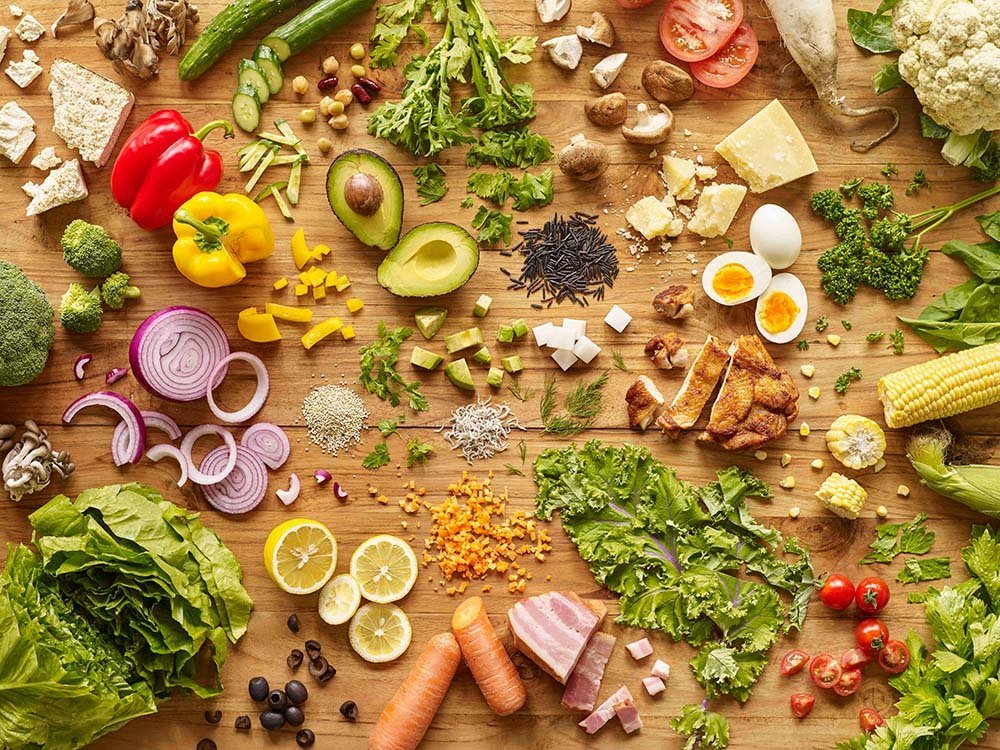
When couples begin their journey toward parenthood, one of the most important but often overlooked factors is nutrition. What you eat every day directly influences hormone balance, egg quality, sperm health, and overall reproductive function. The good news is that Indian diets already include many fertility-friendly foods—what matters is choosing them in the right balance and consistency.
A fertility-supportive diet is not about expensive superfoods. It is about simple, traditional, nutrient-rich Indian foods that help your body function at its best.
In this guide from DayByDay.in, we explore the best Indian foods for fertility, the key nutrients they provide, and how they support reproductive health in both men and women.
How Food Affects Fertility
Food plays a key role in:
- Hormone production and regulation
- Ovulation and menstrual cycle health
- Sperm quality and count
- Egg quality
- Blood sugar balance (important for PCOS)
- Inflammation levels in the body
A balanced diet creates a healthy internal environment for conception.
Best Indian Foods for Female Fertility
1. Leafy Green Vegetables (Palak, Methi, Bathua)
Key Nutrients:
- Folate
- Iron
- Vitamin C
- Antioxidants
How They Help:
- Support healthy ovulation
- Improve egg quality
- Help build healthy blood for pregnancy preparation
Leafy greens are especially important before and during early pregnancy.
2. Lentils and Pulses (Dal, Chana, Rajma)
Key Nutrients:
- Plant-based protein
- Iron
- Fiber
- Folate
How They Help:
- Support hormone balance
- Improve reproductive health
- Help regulate blood sugar (important for PCOS)
These are staple foods in Indian households and highly fertility-friendly.
3. Whole Grains (Ragi, Jowar, Bajra, Oats)
Key Nutrients:
- Complex carbohydrates
- B vitamins
- Fiber
How They Help:
- Stabilize blood sugar levels
- Support regular ovulation
- Improve metabolic health
Whole grains are especially helpful for women with irregular cycles.
4. Nuts and Seeds (Almonds, Walnuts, Flax Seeds, Sesame Seeds)
Key Nutrients:
- Omega-3 fatty acids
- Zinc
- Vitamin E
- Healthy fats
How They Help:
- Improve egg quality
- Support hormone production
- Reduce inflammation
A handful daily is often enough.
5. Dairy Products (Milk, Curd, Paneer)
Key Nutrients:
- Calcium
- Vitamin B12
- Protein
How They Help:
- Support reproductive hormone function
- Strengthen overall body health
- Aid in early pregnancy development
Curd is especially beneficial for gut health and digestion.
6. Fruits (Pomegranate, Banana, Papaya, Citrus Fruits)
Key Nutrients:
- Vitamin C
- Antioxidants
- Natural sugars (energy)
How They Help:
- Improve egg quality
- Support uterine health
- Reduce oxidative stress
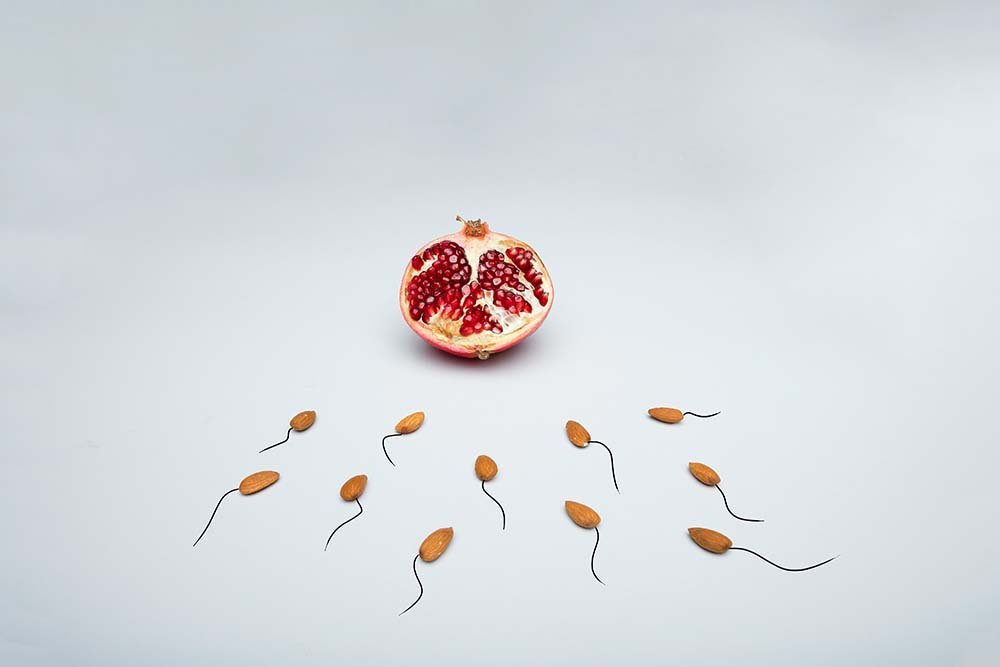
Pomegranate is especially popular in fertility diets.
7. Healthy Fats (Ghee, Avocado, Coconut, Olive Oil)
Key Nutrients:
- Essential fatty acids
- Fat-soluble vitamins
How They Help:
- Support hormone production
- Improve reproductive function
- Maintain menstrual cycle health
Moderation is important.
Best Indian Foods for Male Fertility
Male fertility is equally important in conception.
1. Eggs
Key Nutrients:
- Protein
- Vitamin D
- Choline
Benefits:
- Improve sperm quality
- Support testosterone levels
- Enhance reproductive health
2. Pumpkin Seeds
Key Nutrients:
- Zinc
- Magnesium
- Antioxidants
Benefits:
- Improve sperm count
- Support motility
- Protect sperm from damage
3. Bananas
Key Nutrients:
- Vitamin B6
- Potassium
- Natural energy
Benefits:
- Support sperm production
- Improve hormone balance
4. Fish (Salmon, Sardines – if non-vegetarian)
Key Nutrients:
- Omega-3 fatty acids
- Protein
- Vitamin D
Benefits:
- Improve sperm motility
- Reduce inflammation
5. Garlic and Onions
Key Nutrients:
- Selenium
- Antioxidants
Benefits:
- Improve blood circulation
- Support sperm health
- Enhance reproductive function
Key Fertility Nutrients and Their Sources
1. Folate
Importance:
Essential for egg health and early pregnancy development.
Sources:
- Green leafy vegetables
- Lentils
- Citrus fruits
2. Zinc
Importance:
Critical for sperm production and ovulation.
Sources:
- Pumpkin seeds
- Nuts
- Dairy products
3. Iron
Importance:
Supports healthy ovulation and prevents fatigue.
Sources:
- Spinach
- Beans
- Jaggery (in moderation)
4. Omega-3 Fatty Acids
Importance:
Improve egg and sperm quality.
Sources:
- Flax seeds
- Walnuts
- Fish
5. Vitamin D
Importance:
Supports hormone balance and reproductive health.
Sources:
- Sunlight
- Eggs
- Fortified dairy
Sample Daily Fertility Meal Plan (Indian Style)
Morning
- Warm water with soaked almonds
- OR fenugreek (methi) water
Breakfast
- Vegetable upma / poha / oats
- Milk or curd
Mid-Morning Snack
- Fruit (pomegranate / banana / guava)
- Handful of nuts
Lunch
- Roti (whole wheat or millet)
- Dal (moong/toor)
- Vegetable curry
- Salad
- Curd
Evening Snack
- Roasted chana or sprouts chaat
- Herbal tea
Dinner
- Light meal: khichdi / roti + sabzi
- Avoid heavy fried foods
Before Bed
- Warm milk (optional)
Foods to Limit for Better Fertility
1. Processed Foods
- Chips
- Instant noodles
- Packaged snacks
2. Excess Sugar
- Sweets
- Soft drinks
- Bakery items
3. Trans Fats
- Deep-fried fast food
- Margarine-based products
4. Excess Caffeine
Too much tea/coffee may affect hormone balance in some individuals.
Lifestyle Tips to Support Fertility
Nutrition works best with healthy habits:
✔ Maintain healthy weight
✔ Exercise regularly (yoga, walking)
✔ Sleep 7–8 hours daily
✔ Manage stress
✔ Avoid smoking and alcohol
Common Myths About Fertility Foods in India
Myth: Eating One Special Food Guarantees Pregnancy
Fact: No single food can ensure conception.
Myth: Only Women Need Fertility Diets
Fact: Male nutrition is equally important.
Myth: Expensive Imported Foods Are Necessary
Fact: Traditional Indian foods are highly effective when balanced properly.
When to Seek Medical Advice
A fertility diet supports health, but consult a doctor if:
- Pregnancy does not occur after 6–12 months of trying
- Irregular menstrual cycles
- Known reproductive conditions (PCOS, thyroid, etc.)
Final Thoughts
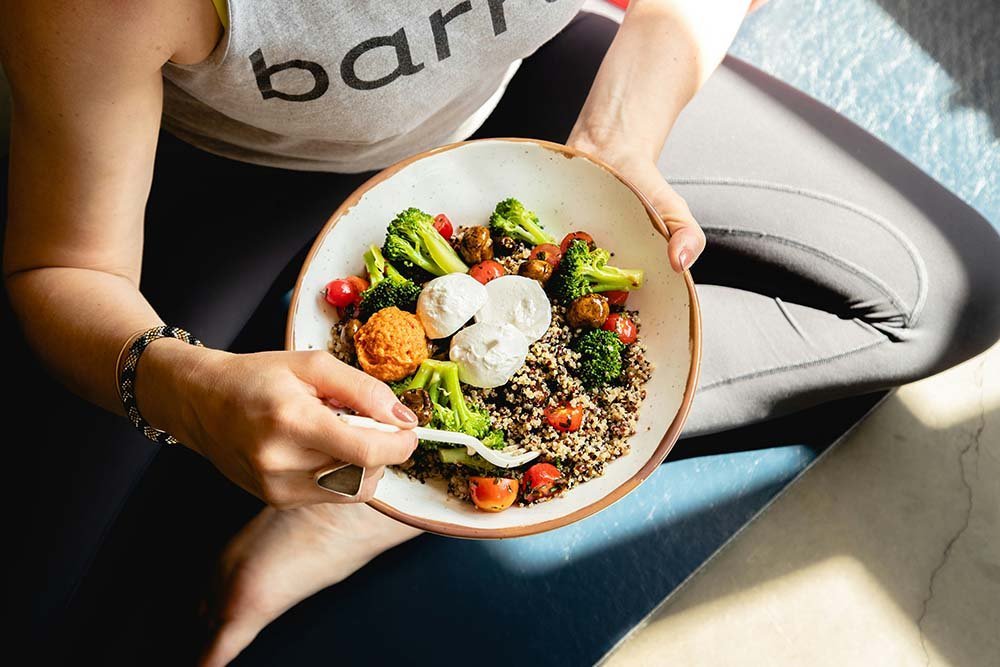
A fertility-friendly diet is about nourishing your body with simple, wholesome, and traditional Indian foods. From leafy greens and dals to nuts, seeds, fruits, and healthy fats, nature already provides everything needed to support reproductive health.
By combining good nutrition with a healthy lifestyle, stress management, and timely medical guidance when needed, couples can significantly improve their chances of conception.
At DayByDay.in, we are dedicated to supporting Indian couples through fertility, pregnancy planning, pregnancy, childbirth, baby care, and parenting with trusted, practical, and easy-to-follow information.

Comments (0)